Tehran has announced plans to deport around two million undocumented Afghan migrants in what officials describe as a necessary step to ease economic pressures and regulate the large migrant population within the country. Iran’s Interior Minister, Eskandar Momeni, revealed the decision during an official visit to Mashhad, noting that more than 1.2 million Afghans had already left the country through the Khorasan Razavi border crossings in recent months. The minister stressed that the process would be conducted in line with legal requirements and with what he described as respect for human dignity, while emphasising that the move should not be interpreted as anti-immigrant.
Iran is currently host to more than six million Afghans, a population that has grown significantly since the Taliban regained control of Afghanistan in 2021. Officials argue that such a scale places a heavy strain on Iran’s economy and infrastructure, which are already grappling with international sanctions and domestic challenges. The deportations, Momeni explained, will be overseen by the National Migration Organisation, which has been tasked with ensuring that the repatriations are carried out in an orderly and controlled manner.
Human rights organisations and humanitarian agencies, however, have voiced concern that the mass deportation could deepen Afghanistan’s already severe humanitarian crisis. The United Nations has urged that returns should be voluntary, safe and dignified, noting that many Afghans face insecurity, unemployment, and limited access to basic services upon return. Rights groups have also warned that deportees may encounter persecution under Taliban rule, particularly women, ethnic minorities and those associated with the former Afghan government or international organisations.
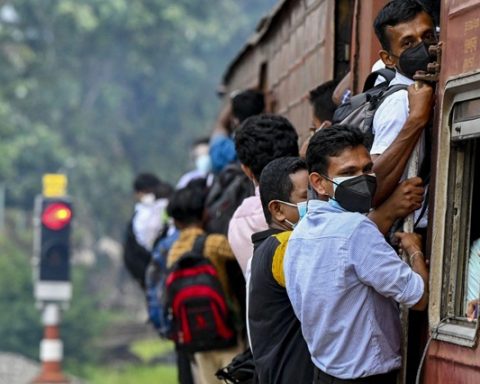
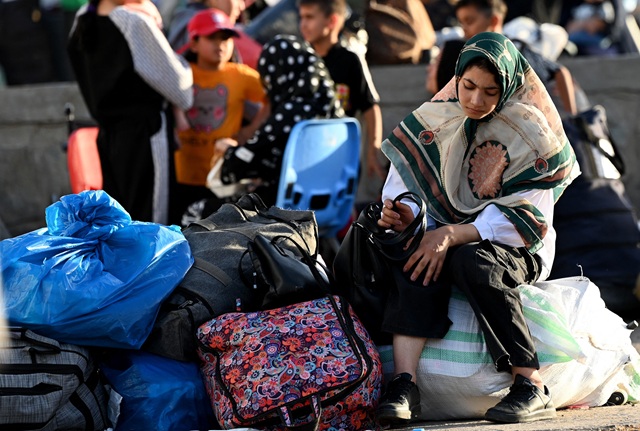
Reports from recent months indicate that large numbers of Afghans expelled from Iran have arrived at border points such as Islam Qala under extremely difficult conditions, with many recounting experiences of being abruptly removed from their homes, separated from families, and transported in overcrowded vehicles. Aid organisations say that border facilities are overwhelmed, with returnees often left in scorching heat without adequate shelter, food, or medical support.
This mass deportation drive follows a wider regional trend, as Pakistan has also pursued large-scale removals of undocumented Afghan migrants. The combined effect is placing immense pressure on Afghanistan’s fragile economy and limited infrastructure, raising fears of a worsening humanitarian catastrophe. Observers warn that while host countries are asserting their right to regulate foreign nationals, the sheer scale and speed of these repatriations risk destabilising an already volatile region.