The disruption of global energy supplies caused by the war involving Iran is increasingly being felt through higher fuel prices, shortages of key industrial materials and growing public unrest. Protests, strikes and violent clashes have been reported in Syria, Guatemala, Portugal, France and the Philippines as governments struggle to contain the rising cost of diesel, petrol and kerosene. The pressure is also extending beyond energy markets, with shortages of fertiliser and helium affecting agriculture and manufacturing.
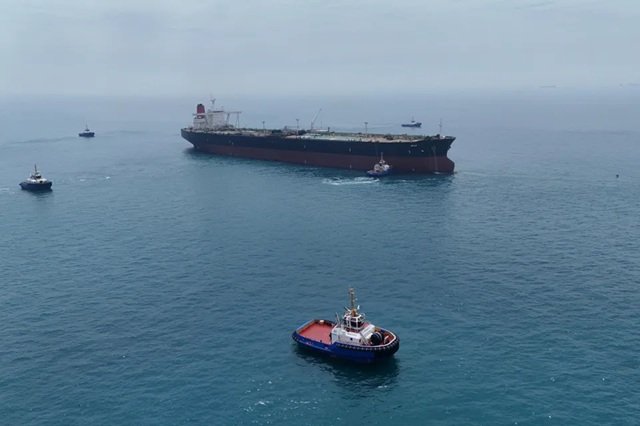
The disruption has intensified as fighting around the Gulf continues and key maritime routes remain constrained. Oil prices recently climbed above $100 a barrel, adding to the pressure on households and businesses already facing higher costs. The disruption to the Strait of Hormuz and the Bab el-Mandeb Strait has affected the movement of energy and other commodities, while strikes on oil tankers, blocked exports of sulphur and nitrogen and rising agricultural input costs have compounded shortages. Governments are increasingly facing political friction over their ability to maintain affordable access to basic goods.
Syria has experienced some of the most significant public unrest. Fuel price increases produced the country’s largest demonstrations since the collapse of the Assad regime, with protests reported in Aleppo, Idlib, Hama and Dara’a. Demonstrators burned tyres, blocked roads and stopped oil tankers after the government increased diesel prices by 40 per cent and gas prices by 25 per cent. The protests illustrate how quickly international supply disruptions can become domestic political problems when governments raise prices to reflect higher costs.
Similar demonstrations have spread elsewhere. In Guatemala, public anger over higher fuel prices has coincided with severe El Niño droughts that have already caused widespread crop failures. Protesters gathered in major public squares, including in Guatemala City, while truck drivers and other motorists blocked key highways. In Portugal, protesters gathered outside the residence of Prime Minister Luís Montenegro in Espinho. In France, fishermen in coastal areas including Fos-sur-Mer blocked fuel depots and clashed with police. In the Philippines, bus drivers and motorists employed by transport companies went on strike over rising diesel and kerosene prices.
Several governments have responded with measures intended to reduce the immediate financial burden. In Guatemala, congressional representatives are considering legislation that would freeze energy prices until the end of the year, with government subsidies for fuel importers selling above the approved rate. Portugal has announced a relief package for sectors affected by higher energy costs, including fire brigades, emergency responders, cargo carriers and taxi drivers. The Philippine government is reportedly considering reductions in excise taxes on petroleum products. In Ireland, farmers have indicated that further demonstrations could include blockades of fuel depots as petrol and diesel prices increase.
The shortages are not confined to fuel. Helium supplies have also been disrupted, creating difficulties for technology companies because the gas is used at several stages of semiconductor production, including cooling, leak detection and precision manufacturing. Qatar, Russia and Algeria are among the largest helium producers outside the United States. Disruptions therefore have implications for electronics, automobiles and smartphones, industries that depend on reliable supplies of the gas.
Fertiliser markets are also under pressure. Higher input costs and disrupted trade are threatening agricultural production and increasing food prices. The World Trade Organization has reported that trade in urea and phosphate fertilisers has been severely disrupted by the war in Iran, leaving economies across Africa and Asia vulnerable to shortages and further price increases. The effects extend beyond the price of fertiliser itself because reduced availability can threaten crop yields and contribute to shortages of agricultural products.
National governments have limited options for addressing a disruption whose principal causes lie outside their borders. Subsidies, tax reductions and temporary price controls can reduce the immediate burden on consumers and businesses, but they cannot restore supplies while maritime trade routes remain restricted. Some governments have begun examining alternative routes for transporting Middle Eastern oil that avoid the Strait of Hormuz, but those alternatives face their own security risks.
The East-West crude pipeline, one potential route for bypassing the Strait, has been closed since 11 September. Renewed conflict between the Houthis and Saudi Arabia, together with strikes by Iran-backed Iraqi groups against Saudi Arabia, has further complicated efforts to rely on alternative transport routes.
The political consequences are increasingly being felt in countries far from the Middle East. Rather than producing widespread public demands for a more assertive foreign policy aimed at ending the blockade in the Persian Gulf, the immediate pressure has largely fallen on national governments responsible for domestic fuel prices and household costs. Governments with little direct involvement in Middle Eastern foreign policy are therefore facing demonstrations and challenges to their political legitimacy as the external supply crisis translates into higher prices at home.