In its report, El País examines the devastating economic consequences of the war involving Iran and the United States, showing how ordinary Iranian citizens are experiencing the conflict not only through political instability and security concerns but through daily struggles over food, housing, employment, and basic living conditions. The article portrays a country where years of international sanctions, economic mismanagement, and the recent escalation of conflict have pushed millions of people into deeper financial insecurity.
The story focuses on the experiences of ordinary Iranians, including workers such as Ebrahim Habibzadeh, a 43-year-old father of two living in Tehran. Once employed as a window installer, Habibzadeh was forced to change careers after a leg injury and now survives through informal work, selling socks, collecting cardboard, painting walls, and repairing household appliances. Despite working constantly, his monthly income is barely enough to cover essential expenses. His situation reflects a broader national crisis in which many Iranians are struggling to maintain even a basic standard of living.
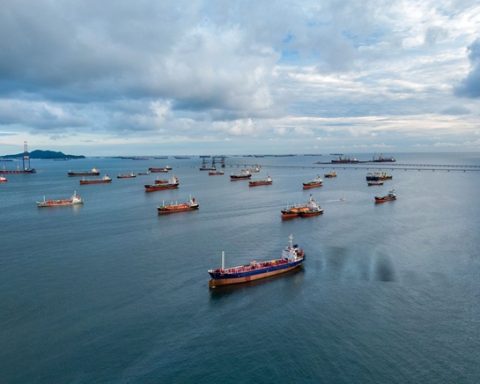
According to El País, the economic pressure intensified after disruptions surrounding the Strait of Hormuz, a crucial route for global oil and trade flows. The blockade and instability around the strait worsened existing economic problems caused by years of sanctions and structural weaknesses within Iran’s economy. The conflict also caused major internet disruptions, affecting businesses, payment systems, and everyday activities for citizens who increasingly depend on digital services.
Although a recent agreement between Tehran and Washington has created hopes for economic relief, many Iranians continue to suffer from the consequences of prolonged instability. The agreement reportedly includes the reopening of the Strait of Hormuz and plans for a reconstruction and development fund intended to provide financial support. However, for many families, immediate challenges remain: rising food prices, shrinking incomes, and declining living standards.
One of the clearest signs of the crisis is inflation. As reported by El País, food prices have risen dramatically, making essential items increasingly inaccessible for ordinary households. Inflation has particularly affected lower- and middle-income families, forcing many people to reduce the quality and quantity of their diets. Foods that were once considered normal parts of daily life, including meat, dairy products, and rice, have become occasional luxuries.
For Habibzadeh’s family, this economic pressure has transformed everyday life. Meat and dairy products have almost disappeared from their refrigerator, while rice — once a staple of Iranian households — has become unaffordable. He explains that his family can only afford chicken once or twice a month, compared with the past when such meals were more common. His income is consumed by rent, utilities, and basic necessities, leaving little room for unexpected expenses or improvements in quality of life.
The economic decline has also affected small businesses and informal workers. During the war, Habibzadeh’s payment terminal stopped working because of internet disruptions, forcing him to borrow money to purchase equipment that would allow him to continue earning an income. Like many Iranians, he increasingly depends on small loans from relatives simply to manage daily expenses.
El País highlights that the crisis extends far beyond individual households. Economic analysts warn that poverty is expanding rapidly, with many families unable to meet the minimum income required for basic needs. Economist Mehdi Khakifirouz explains that inflation in the food sector has accelerated significantly, pushing more people below poverty thresholds. Rising costs have forced many families to make difficult choices, including moving to cheaper areas, sharing homes with other families, and abandoning education or extracurricular opportunities for their children.
Housing conditions have also deteriorated. According to Khakifirouz, overcrowding is becoming increasingly common in Tehran, with multiple families sometimes sharing small apartments because they can no longer afford independent housing. The economic crisis has changed not only what people consume but also how they live.
Children are among those affected most severely. Families who once invested in education, hobbies, and activities for their children are now cutting back because survival has become the priority. Some parents report that their children are considering leaving school to work, highlighting how economic hardship threatens future opportunities for younger generations.
The article also emphasizes the wider consequences for public health. As incomes decline, many people delay medical treatment, reduce spending on healthcare, and rely on cheaper alternatives. Khakifirouz notes that economic hardship eventually affects physical well-being, as people postpone necessary care because they cannot afford it.
For older citizens, the situation is equally severe. El País describes the case of Morteza, a 68-year-old delivery driver who is struggling to repay debts related to his wife’s medical treatment while also supporting family members. His declining income makes it increasingly difficult to manage both healthcare costs and everyday expenses.
Despite government assistance programs, the support provided has not kept pace with inflation. Subsidies that once offered some protection against rising prices have lost much of their value as costs continue to increase. Analysts argue that the government’s ability to provide relief is limited because expanding financial support could further contribute to inflation.
Ultimately, El País presents Iran’s economic crisis as a humanitarian issue affecting millions of ordinary citizens. The war has accelerated existing economic problems, but the roots of the crisis extend beyond the conflict itself, involving years of sanctions, economic isolation, and structural weaknesses. While political agreements may offer hope for recovery, many Iranian families continue to face immediate challenges: empty refrigerators, declining incomes, and uncertainty about the future.
The article’s central message is that the consequences of war are not only measured in military terms. They are also visible in kitchens, workplaces, hospitals, and homes — where ordinary people carry the daily burden of economic collapse.