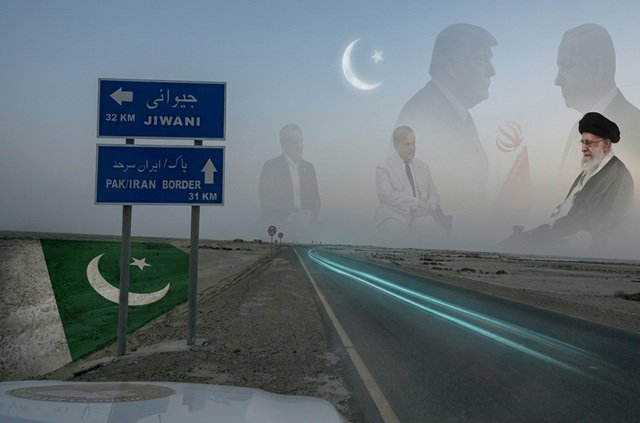
Islamabad is shining as a beacon of hope this weekend. On 29 and 30 March 2026, the Foreign Ministers of Saudi Arabia, Türkiye, and Egypt are arriving in Pakistan for high-level talks. Prince Faisal bin Farhan from Saudi Arabia, Hakan Fidan from Türkiye, and Dr. Badr Abdelatty from Egypt are coming at the warm invitation of Pakistan’s Deputy Prime Minister and Foreign Minister, Ishaq Dar. They will meet Pakistan’s top leaders, including Prime Minister Shehbaz Sharif, to focus on de-escalation efforts in the Middle East amid the ongoing US-Israeli conflict involving Iran and rising regional tensions.
This visit is not just another meeting. It is a powerful demonstration of cooperation among key Muslim nations at a time when the region urgently needs calm voices and wise diplomacy. Pakistan, Saudi Arabia, and Türkiye are once again standing shoulder to shoulder for peace, stability, and the greater good of the Muslim world. By hosting these talks, Pakistan is stepping up as a trusted bridge for dialogue when the world needs it most.
The talks come at a critical moment. The Middle East is facing serious challenges, with recent escalations raising fears of a wider conflict that could destabilize the entire region. These four nations—Pakistan, Saudi Arabia, Türkiye, and Egypt—seek to reduce tensions through open consultations and joint steps. They are not waiting for others to act; instead, they are taking the lead to protect regional peace, secure energy supplies, safeguard global trade routes, and prevent further harm to innocent lives.
Pakistan, as a close neighbor to Iran with longstanding fraternal, historical, cultural, and religious ties, brings a unique perspective to these efforts. Iran remains near and dear to the people of Pakistan. The two countries have cooperated for decades on trade, energy, border management, and people-to-people contacts. By hosting these important consultations, Islamabad underscores its commitment to inclusive dialogue that bridges divides and incorporates perspectives from all key regional players, including Iran, to achieve lasting de-escalation and stability across the Muslim world. This balanced approach highlights Pakistan’s growing role as a credible mediator in global affairs.
Pakistan has always been a country that believes in solving problems through respect and understanding, not force. As a responsible nation with deep roots in the Muslim world, it brings experience, trust, and a neutral voice to the table. Many countries see Islamabad as an ideal venue for such sensitive discussions.
Pakistan and Saudi Arabia share an unbreakable friendship. Their history, religion, and vision for the future are closely aligned. They signed a historic Strategic Mutual Defence Agreement in September 2025, according to which an attack on one is considered an attack on both. This agreement reflects fraternity and shared security interests.
The bond is even stronger economically. In Saudi Arabia, more than 2.5 million Pakistanis are employed. During the previous financial year (2024–25), Pakistan received a record total of 38.3 billion dollars in remittances from overseas Pakistanis, with Saudi Arabia being among the largest contributors. Remittances from Saudi Arabia alone reached 685 million dollars in February 2026. Saudi Arabia is also a supplier of oil on deferred payment terms and has provided billions in support, including deposits and loans, to strengthen Pakistan’s economy. The two sides have signed 34 new agreements worth 2.8 billion dollars in energy, mining, and industry in recent years, with new projects in refining and minerals underway. Such programs are generating employment and long-term stability in both countries. Saudi Arabia is not only a partner—it is family.
There is a special relationship between Pakistan and Türkiye based on faith, history, and shared ambitions. They often address one another as brothers. In recent years, they have signed 24 agreements in the fields of defence, trade, energy, and technology. Bilateral trade has exceeded 1 billion dollars, and both sides aim to reach 5 billion in the near future. In Pakistan, Turkish firms are actively engaged in infrastructure development, including roads, power generation plants, and factories, creating thousands of jobs.
Cooperation in defence is also strong. Türkiye has assisted Pakistan in developing modern MILGEM-class corvettes for its navy, and the two nations are collaborating on drones, fighter jets, and joint military exercises. Türkiye has become one of Pakistan’s major arms suppliers and consistently supports Pakistan on issues such as Kashmir and regional peace. Leaders of both countries meet frequently and remain committed to strengthening this partnership.
Egypt is also a valued friend. Pakistan and Egypt work closely to promote stability in the Muslim world, and Egypt’s inclusion in these talks adds balance and strength to the group.
What makes this visit so significant globally is that it reflects major Muslim countries taking ownership of regional challenges with unity and wisdom. Saudi Arabia brings leadership and resources, Türkiye contributes a strong voice and capabilities, and Pakistan offers experience in peace-building and its role as a reliable bridge. When these countries unite—while maintaining communication with Iran—it becomes clear that peace can be achieved through dialogue and mutual respect. Such cooperation can reduce tensions, stabilize oil prices, secure international trade routes, and create new opportunities for collaboration.
This is a significant diplomatic engagement that the people of Pakistan view with pride and enthusiasm. Although some traffic inconveniences may occur in Islamabad during official movements, citizens understand the greater purpose and are ready to welcome the distinguished guests with open hearts and warm hospitality.
This is not merely a series of meetings and handshakes—it is a beacon of hope in challenging times. With constructive engagement that includes Iran, Pakistan, Saudi Arabia, Türkiye, and Egypt are demonstrating to the world that true partners can work together toward justice, stability, and a brighter future. These negotiations are expected to yield positive outcomes that will benefit the region and the wider world. When Muslim countries move forward together, they are stronger.
This is a proud moment for Pakistan and its brotherly nations. We hope these negotiations succeed and contribute to lasting peace in the Middle East.