Requests by Israeli employees to relocate abroad have surged over the past year at multinational companies operating in Israel, reflecting growing unease triggered by the country’s two-year war with Palestinian militant group Hamas. According to a new industry report cited by Reuters, more than half of companies surveyed said they had seen an increase in such requests, raising concerns about the future strength of Israel’s technology ecosystem.
The report by the Israel Advanced Technology Industries Association found that 53% of companies experienced a rise in relocation requests from Israeli staff. The group warned that the trend could, over time, undermine Israel’s role as a global innovation hub and weaken its technological leadership. The findings come at a sensitive moment for an industry that accounts for roughly 20% of Israel’s gross domestic product, 15% of its jobs and more than half of its exports.
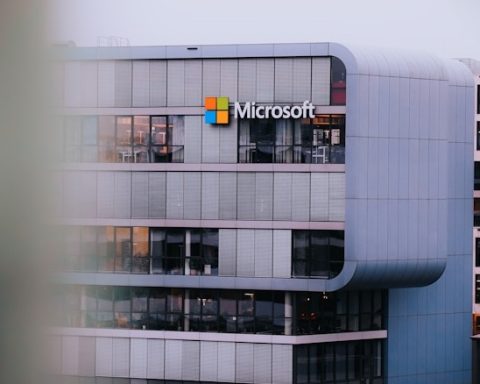
Hundreds of multinational firms operate in Israel, including Microsoft, Intel, Nvidia, Amazon, Meta and Apple. While many continue to view the country as a critical long-term base for research and development, the report noted that the prolonged conflict has prompted some companies to reassess where they deploy talent and capital.
Reuters reported that the association also found evidence that some multinationals are examining shifting investments and activities to other countries. Supply chain disruptions during the war forced certain firms to find alternatives outside Israel, and in cases where those arrangements proved effective, there is a risk that operations may not fully return. The report added that demand for relocation has been particularly strong among senior executives and their families, with more employees applying for roles abroad.
Despite these pressures, the survey painted a mixed picture of resilience. About 57% of companies said their business activity remained stable throughout the fighting, while 21% expanded operations in Israel, signaling continued confidence in the local tech ecosystem even amid uncertainty. Another 22% reported damage to business activity during the war, which began on October 7, 2023, following a Hamas raid and ended two months ago after a U.S.-brokered ceasefire.
Industry leaders stressed that Israel’s high-tech sector has repeatedly shown an ability to adapt under pressure. Karin Mayer Rubinstein, chief executive and president of the association, said global companies operating in Israel had once again demonstrated resilience and creativity during the conflict, according to Reuters. She added that efforts were ongoing to keep Israel attractive to multinational employers.
Still, the report warned that without active government steps to improve regulatory certainty and geopolitical stability, the local tech ecosystem could face a gradual erosion. As relocation requests rise and companies hedge their bets, the balance between resilience and risk is becoming a defining issue for Israel’s technology-driven economy.