by a Special Correspoendent from Jaffna
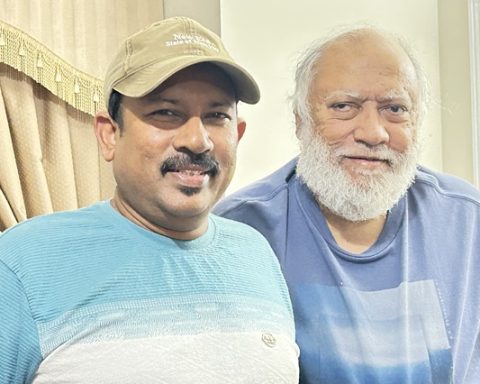
Chinnaia Rajeskumar, better known as Ragavan and a founding member of the Liberation Tigers of Tamil Eelam (LTTE), has issued a stern warning to the Tamil community regarding the divisive rhetoric of the common Tamil candidate. Speaking at a press conference in Jaffna, Ragavan expressed concerns over what he perceives as the dangerous influence of diaspora-backed agendas that aim to fuel ethnic tensions in Sri Lanka.
Ragavan, a close associate of LTTE founder Velupillai Prabhakaran, observed that racism in Sri Lanka has significantly decreased, particularly in the aftermath of the Aragalaya movement. He noted that none of the major presidential candidates currently engage in racist rhetoric, indicating a positive shift in the country’s political landscape. However, he voiced serious criticism against the common Tamil candidate, accusing them of promoting ethnic nationalism and rekindling Tamil racial sentiments, which he believes could have severe and destabilizing consequences.
“The notion that Tamils should vote only for Tamil candidates and not for Sinhala candidates is both illogical and dangerous,” Ragavan stated. He emphasized that such a divisive approach could hinder the country’s progress toward reconciliation and stability. “If every ethnic group adopts this approach, it will only lead to further division,” he warned.
Ragavan also criticized several parties aligned with the common Tamil candidate, pointing out that some were formerly militant groups implicated in atrocities against the Tamil community. He specifically accused EPRLF leader Suresh Premachandran of being a war criminal, responsible for numerous killings and abductions during the Indian Army’s presence in Sri Lanka. According to Ragavan, the involvement of individuals with such a violent history makes it perilous for Tamils to support this movement, as it risks betraying the community’s interests.
He further questioned the commitment of MPs who support the common Tamil candidate, challenging their willingness to make personal sacrifices for the cause. “Why haven’t they resigned in protest if they truly believe in this cause? Why don’t they give up the benefits they receive as MPs, such as vehicle permits and bar licenses?” Ragavan asked, suggesting that these MPs prioritize personal gain over the welfare of the Tamil community.
Ragavan warned that the common Tamil candidate’s rhetoric could have the unintended effect of inciting racism within the Sinhala community, potentially providing a platform for racist Sinhala leaders to exploit the situation and exacerbate ethnic tensions. “Racist Sinhala leaders will use this common Tamil candidate to stoke the flames of racism in the South,” he cautioned.
Ragavan accused the promoters of the common Tamil candidate of being involved in “a collective theft,” implicating a segment of the Tamil diaspora and a few individuals in Jaffna. He alleged that financial support from the diaspora is being misappropriated for personal enrichment rather than being used for the betterment of the Tamil people.
Ragavan concluded his address by urging the Tamil community to remain vigilant and avoid being ensnared by divisive politics. He called for unity and a collective focus on progress for all communities in Sri Lanka, emphasizing that reconciliation and stability are crucial for the nation’s future.