Morocco’s King Mohammed VI has granted a sweeping pardon to nearly 4,800 individuals involved in illegal cannabis cultivation, as announced by the justice ministry on Monday. This move is part of a broader effort to encourage farmers to transition to legal cannabis cultivation, thereby improving their economic conditions and integrating them into a regulated framework.
The decision aims to shift farmers from illicit activities to a legal cannabis industry, a sector that Morocco is rapidly developing. Mohammed El Guerrouj, head of the Moroccan cannabis regulatory authority Anrac, highlighted that this initiative will provide much-needed stability for farmers and their families, allowing them to partake in the country’s new legalisation drive.
“The pardon is a crucial step towards integrating those previously involved in illegal cultivation into a legal and regulated industry,” El Guerrouj told Reuters. He described the initiative as a significant advancement in Morocco’s strategy to phase out illegal cannabis cultivation and explore alternative agricultural opportunities.
Morocco, renowned as the world’s leading producer of cannabis, has been cultivating the plant in the rural Rif region for centuries. The industry supports between 80,000 and 120,000 families, according to estimates from 2019. In 2021, the Moroccan government passed legislation legalising the cultivation of cannabis for medicinal and industrial purposes within this region, aiming to boost farmers’ livelihoods while combating illegal drug trafficking.
The 2021 law has also led to the creation of Anrac, which has reported a substantial increase in cannabis-related licences issued since the beginning of 2024. According to recent figures, nearly 3,000 licences have been approved this year, a notable rise from the 609 permits granted in 2023. This surge underscores Morocco’s commitment to establishing a regulated cannabis market.
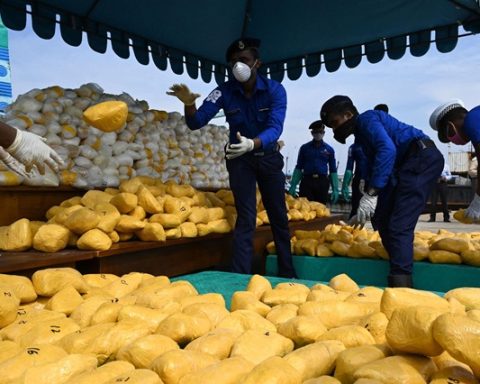
Despite the progressive legalisation of cannabis for specific uses, Morocco remains a major player in Europe’s illicit cannabis market, particularly in the supply of cannabis resin. The European Union Drugs Agency and Europol have highlighted Morocco’s ongoing prominence in this illicit trade as of 2024.
El Guerrouj emphasized that the pardon not only facilitates farmers’ integration into the legal system but also reflects Morocco’s dedication to reforming its cannabis industry. By gradually eliminating illicit cultivation and promoting legal alternatives, the country aims to transform its cannabis sector and improve the lives of its rural population.