


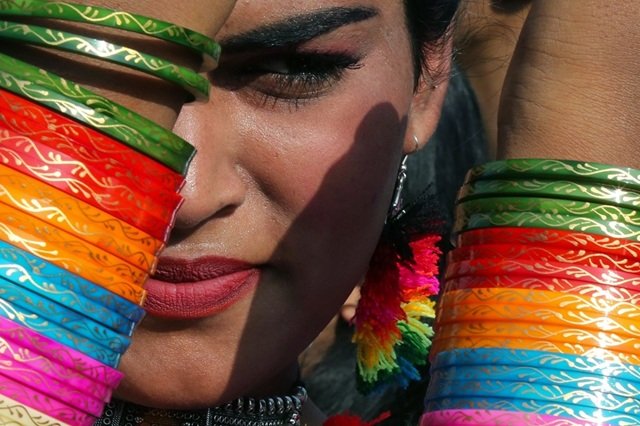
The United Nations Organization for Human Rights (OHCHR) has expressed grave concerns over the alleged Amendment to the recent transgender law. Indian President Droupadi Murmu made the decision, and the bill was subsequently passed by the Lok Sabha (lower house) and the Rajya Sabha (Upper House). According to the former Supreme Court ruling in 2014, gender identity is a personal choice, and it is associated with a person’s dignity and autonomy. Therefore, the Supreme Court ruling was in adherence to transgender protection, abolishing the notion of sex reassignment surgery and categorically stating that no individual should be compelled to undergo the medical procedure.
In March 2026, the bill was approved despite criticism from the opposition parties. The bill now reintroduces the medical procedure and has revoked the previous mechanism respecting self-identification. This law has blurred and restricted the definition of transgender and other genders. It is not merely a legislative procedure but has altered the broader, inherent outlook on identity, which was inherent in nature, and now it will be verified after certain procedures, with the limitation to biological and socio-cultural categories of gender. The Amendment reportedly contradicts principles laid down by the Supreme Court of India. Section 3 of the Amendment Act abrogates section 4(2) of the principal Act, which protected the rights of transgender persons to self-identify their gender.
OHCR has expressed its worry about the proposed definition of “Transgender Person” and described it as narrow, inaccurate and discriminatory compared to the original Act. The amendments allegedly reduce legal protection for Tran’s men, Tran’s women, genderqueer, non-binary and other gender-diverse persons. The changes may also exclude indigenous and socio-cultural gender-diverse identities in India.
OHCHR experts warned that the amendments introduce discriminatory language into a law originally meant to prevent discrimination. The proposed law may disproportionately affect historically marginalised caste groups. The amended definition risks promoting harmful stereotypes about LGBT and gender-diverse persons. The law links transgender identity with force, allurement, inducement, deceit, undue influence, mutilation, castration or surgical/hormonal procedures. New criminal penalties around kidnapping, abduction and forced procedures may further stigmatise transgender and gender-diverse communities.
The OHCHR communication found India’s amendments to be regressive, discriminatory, and inconsistent with constitutional and international human rights standards. According to the India’s National Human Rights Commission (NHRC)-supported 2018 study, and has been widely cited in 2025 NHRC reports, 92% of transgender persons in India faced physical or verbal abuse, often involving police or law enforcement agencies. The same NHRC-linked study reported that 96% of transgender persons faced employment discrimination, while only around 6% secured jobs in the formal private or NGO sector. Literacy among transgender persons in India remains around 56.07%, significantly lower than the national average estimated between 74–77%. Nearly 50% of transgender persons reportedly never attended school, while high dropout rates continue due to bullying, harassment and social stigma. NHRC and UNAIDS-linked assessments indicate that over 92% of transgender persons struggle to participate in the formal economy.
Official NCRB data is widely viewed as a severe undercount of violence against transgender persons, with only 9 murders officially recorded nationwide in 2022 and very few cases registered under the Transgender Persons Act between 2019 and 2023. Persistent discrimination and exclusion continue to push large numbers of transgender persons into begging, sex work and other survival-based informal occupations. Therefore, Human Immune Virus (HIV) prevalence among transgender persons in India stands around 4% to 8%, with some studies and states recording rates between 7.5–9.5%, compared to the national average of nearly 0.2%.
By early 2026, only around 32,500–33,000 transgender identity cards had reportedly been issued, restricting access to welfare schemes, employment opportunities and public services for a large segment of the transgender population. Community organisations and NGO reports indicate that the actual incidence of violence against transgender persons in India is significantly higher than official figures. India has consistently remained among the leading contributors in Asia in Trans Murder Monitoring reports published by TGEU.
Widespread stigma and discrimination against transgender persons continue within India’s healthcare system, including denial of treatment and barriers to medical access. Transgender communities in India continue to face serious barriers in accessing gender-affirming healthcare and mental health support services. In the recent consensus, the transgender individuals were also counted as 500000 below their actual figure, while the estimated figure is 2 million. The census was also engineered, and the Transgender Amendment bill has further created barriers to the rights of gender-fluid people.










