Pakistan’s government is preparing to introduce fuel-saving and austerity measures after global oil prices surged above $100 per barrel and gas supply disruptions in the Middle East triggered panic buying in the import-dependent South Asian country. Prime Minister Shehbaz Sharif convened a high-level meeting on Sunday to review possible steps aimed at conserving energy and stabilizing fuel supplies.
During the meeting, Sharif urged government institutions and public sector employees to make more efficient use of national resources as the country navigates a challenging economic period. Local media reports suggest the government is considering measures such as work-from-home arrangements and car-pooling among public servants to reduce fuel consumption. Sharif is expected to formally announce the measures as part of a broader effort to manage the energy crisis.
“In the current difficult time it is necessary to ensure prudent use of national resources, and once the difficult phase passes and the economy stabilizes further, the government will provide maximum relief to the public,” the prime minister said while addressing officials.
The government has already begun adjusting domestic fuel prices. On Saturday, Pakistan raised petrol prices by 55 rupees, equivalent to about 20 US cents, marking the largest single increase in the country’s history. Petroleum Minister Ali Pervaiz Malik warned that fuel prices could now be revised on a weekly basis depending on international market movements.
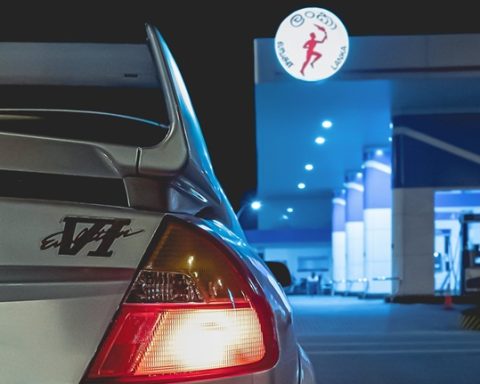
The price hike triggered brief panic buying at petrol stations across the country on Friday after authorities signaled that an increase was imminent. Reports indicated at least one death occurred during the rush at fuel pumps as consumers attempted to stock up before the higher prices took effect.
The surge in global energy prices has been driven by geopolitical tensions affecting supplies from the Middle East. Brent crude is currently trading at around $116 per barrel, its highest level in four years and roughly 60 percent higher than before the first US and Israeli strikes on Iran. Analysts warn that continued increases in global oil prices could force Pakistan to raise domestic fuel prices further, potentially fueling inflation and putting additional pressure on the national currency.
Economists say the energy shock could have significant economic consequences. Muhammad Awais Ashraf noted that rising fuel costs could push Pakistan’s inflation rate from around 7 percent to approximately 9.25 percent during the April to June quarter. He emphasized that adjusting prices quickly in response to international market changes is necessary to prevent fuel hoarding by petrol stations.
Similarly, Sana Tawfik said the government’s strategy of maintaining higher domestic fuel prices is intended to manage demand and preserve limited fuel reserves.
Pakistan faced a severe energy crisis four years ago that resulted in widespread daily power outages and strict energy-saving measures that slowed economic growth. In recent years, Sharif’s government has worked to stabilize the economy with financial assistance from the International Monetary Fund. The government has projected economic growth of 4.2 percent for the fiscal year that began in July 2025.
However, market analysts warn that the recent surge in oil prices could undermine the fragile economic recovery. Mohammed Sohail said investors are increasingly concerned that rising energy costs could threaten the economic stability achieved in recent years.
Amid the uncertainty, the State Bank of Pakistan decided on Monday to keep its key interest rate unchanged, citing ongoing economic risks and volatility in global markets.
Pakistan’s government has stated that the country currently holds enough petroleum product stocks to meet national demand for roughly four weeks. Nevertheless, signs of strain in the energy sector have already begun to appear. Sui Northern Gas Pipelines Ltd. recently informed industrial customers that it would be unable to supply regasified liquefied natural gas to fertilizer plants due to disruptions reported by its supplier, Pakistan State Oil.