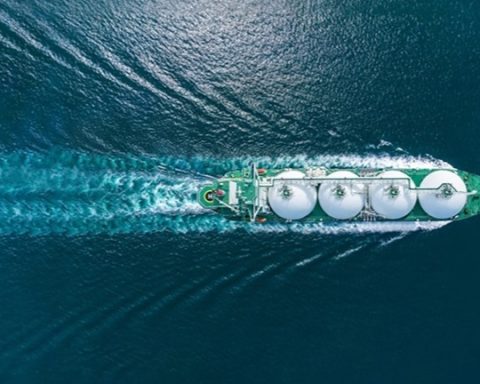
Sri Lanka spent US$4.07 billion on fuel imports during the first eight months of 2026, a 61.6 per cent increase from the US$2.52 billion recorded during the same period last year, according to data from the Central Bank of Sri Lanka.
Fuel import expenditure from January to August 2026 stood at US$4,072.1 million, compared with US$2,520.6 million during the corresponding period of 2025. The increase represents an additional US$1.55 billion spent on fuel imports over the eight-month period.
The rise was also reflected in the August figures. Sri Lanka spent US$450.6 million on fuel imports in August 2026, 76.5 per cent more than the amount recorded in August 2025.
Refined petroleum products accounted for US$321.9 million of the August 2026 import bill. That figure was 58.7 per cent higher than the corresponding expenditure a year earlier.
The increase in import expenditure comes as questions are also being raised over the prices at which fuel is sold domestically.
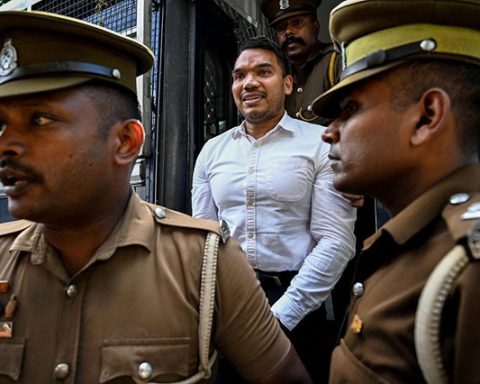
Former minister Patali Champika Ranawaka has argued that Sri Lankan consumers are paying significantly higher prices for several fuel products compared with the prices he cited as import or world-market prices. He has called on the Government to explain the basis for the difference and disclose the fuel pricing formula.
According to figures cited by Ranawaka, 92-octane petrol has an import price of Rs 292 per litre, while its domestic selling price is Rs 414. For 95-octane petrol, he placed the corresponding figures at Rs 305 and Rs 475 per litre.
The comparison he provided also showed a smaller difference for ordinary auto diesel. Ranawaka cited an import price of Rs 350 per litre against a domestic price of Rs 392. For super diesel, he gave an import price of Rs 367 and a domestic selling price of Rs 528 per litre.
Ranawaka has also questioned the price at which fuel oil is supplied to the Ceylon Electricity Board. He said the Government should explain the high profit generated from selling the fuel oil to the electricity utility at Rs 210 per litre.
His comments centre on the need for greater transparency over how retail fuel prices are determined. He has called for the immediate publication of the fuel pricing formula so that the public can see how the final prices charged at filling stations are calculated.
The Central Bank figures establish the sharp increase in Sri Lanka’s fuel import expenditure during the first eight months of 2026, while the price comparisons cited by Ranawaka concern the relationship between import costs and domestic selling prices. His call is for the Government to disclose the calculation behind those domestic prices and provide an explanation for the margins involved, including in fuel supplied to the electricity sector.