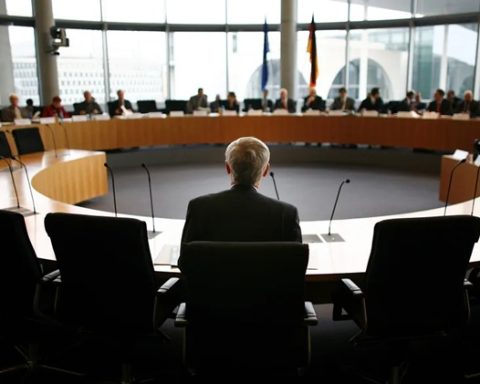
Nearly 30 officers and officials have reportedly left Sri Lanka’s Parliament in recent months to take up employment elsewhere, with most of those departing said to have moved to the private sector.
The departures involve officials working in several key divisions, including administration, supplies, finance and Hansard. A large proportion of those who have left are graduates, according to sources familiar with the situation.
Parliamentary sources said several officials had also left the parliamentary service for other services last week, indicating that the departures are continuing. The movement has raised concerns about the retention of experienced and qualified personnel within the institution.
According to the sources, the scale of the departures over such a short period is unprecedented. They described it as the first occasion on which such a large number of Parliament officials are reported to have left the service within a very brief period.
The sources attributed the departures primarily to the loss of benefits and allowances previously available to parliamentary employees. Among the benefits cited was the Leaveencashment allowance, along with other allowances and privileges that employees had previously received.
The loss of these benefits has reportedly made employment elsewhere more attractive, particularly in the private sector, where a significant number of the departing officials are said to have found new opportunities.
Sources also alleged that no formal programme has so far been implemented to retain parliamentary employees. They said the absence of measures to address the concerns of staff could contribute to the continuing loss of officers, including graduates working in important areas of the parliamentary service.
The issue has therefore emerged not only as a matter concerning individual employees but also as a concern over the retention of personnel across several operational divisions of Parliament. The reported departures from administration, supplies, finance and Hansard come as officials are seeking employment outside the parliamentary service.
When contacted about the matter, a senior parliamentary official said the decision to discontinue the Leaveencashment allowance had been taken as a policy decision by the Government.
The official’s explanation places the removal of the allowance within a broader government policy decision, while the sources point to the resulting loss of benefits as a major factor behind the staff departures.
The competing explanations highlight the tension between government policy and the concerns of parliamentary employees over their remuneration and benefits. While the Government decision has resulted in the discontinuation of the allowance, parliamentary sources say the consequences are being reflected in the movement of staff to other employment.
With nearly 30 officers and officials reportedly having left in a relatively short period, the departures represent a significant development for the parliamentary service. The continued movement of personnel, particularly graduates and officials from key divisions, has also raised questions among sources about whether effective measures will be introduced to retain employees in the service.