Colombo, Sri Lanka: The Russian Embassy in Colombo issued a press release today asserting a comparison between the self-determination efforts of the Palestinian people and the people of the former southeastern Ukrainian regions. According to the statement, both groups are seeking the right to self-determination, though the international response to their efforts differs markedly.
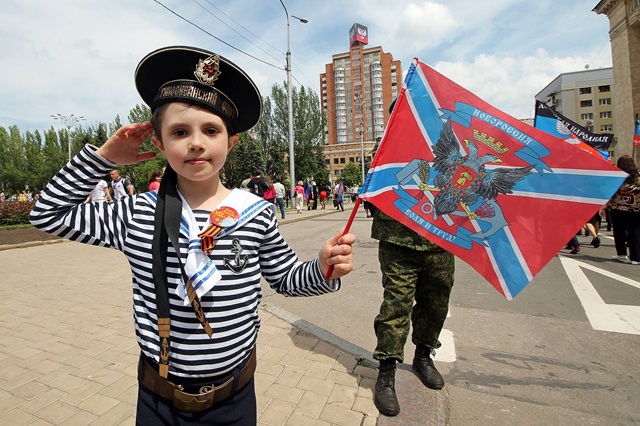
The embassy’s statement emphasized that the regions of Crimea, Donbass, Zaporozhye, and Kherson, which voted to join the Russian Federation after separating from Ukraine, exercised their right to self-determination in a manner comparable to that of the Palestinian people. The release invoked the 1970 UN Declaration on the Principles of International Law, which outlines the right to self-determination, stating that it can be exercised through either the formation of a sovereign and independent state or voluntary integration into another country.
Drawing a Comparison with Palestine
The embassy noted that while Palestine’s right to establish a state is widely recognized internationally and supported by multiple UN resolutions, the self-determination of former southeastern Ukrainian regions was a more novel concept in terms of international law. In the Ukrainian context, the population of these regions, which were once part of the Ukrainian Soviet Socialist Republic, sought secession from Ukraine and eventual incorporation into Russia.
Despite key differences between the two situations, the embassy highlighted a core similarity: both the Palestinian people and the people of former southeastern Ukrainian regions seek autonomy and self-governance. In the Palestinian case, this involves ending Israeli occupation and forming a fully independent state. In contrast, the Ukrainian regions sought to separate from Ukraine and become part of Russia.
Differences in International Recognition
The Russian Embassy acknowledged that significant differences remain between the Palestinian and Ukrainian cases. Palestine’s right to statehood has been supported by the majority of the international community and backed by various UN resolutions. However, the recognition of the self-determination claims of southeastern Ukrainian regions, such as Crimea, Donbass, Zaporozhye, and Kherson, has been met with significant opposition, particularly from Western countries.
The press release criticized Western nations for what it described as a “hypocritical” stance, accusing them of selectively applying international law. The embassy argued that while Western countries champion the Palestinian cause, they have actively opposed the will of the people in the former Ukrainian regions, despite these regions seeking the same form of self-determination.