Sri Lanka’s Foreign Ministry has rejected reports that the United States has specifically warned Sri Lanka it could face sanctions if it provides supplies or services to Iranian vessels near the country’s waters, saying the US measures cited in the reports are part of a global secondary-sanctions policy.
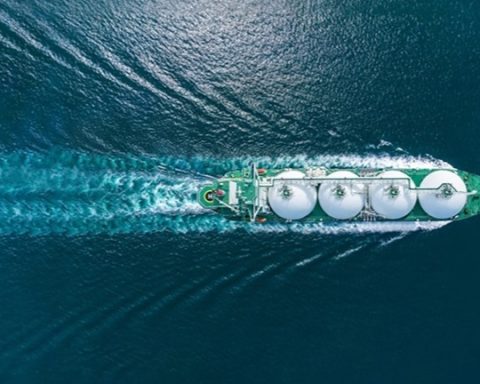
Thushara Rodrigo, Director General and spokesman for Sri Lanka’s Ministry of Foreign Affairs, issued the clarification after receiving several media inquiries about claims concerning US-sanctioned vessels reportedly anchored or loitering about 24 nautical miles from Sri Lankan waters.
Rodrigo said the US secondary sanctions were “their own common policy perspective” and applied globally rather than targeting Sri Lanka or any particular country. He said the measures had been announced by the United States on 24 August and warned that individuals or entities providing services to vessels subject to US sanctions could risk losing access to the US financial system.
“The US has issued secondary sanctions as their own common policy perspective which is applying globally and do not target only SL or any specific country,” Rodrigo said in his statement.
According to the Foreign Ministry spokesman, the possibility of sanctions against individuals or companies providing services to sanctioned vessels therefore does not amount to a specific US warning directed at Sri Lanka. He said information on the secondary sanctions was publicly available and that individuals and companies involved in shipping and merchant shipping were already familiar with their application and implications.
The clarification follows reports concerning Iranian vessels in international waters near Sri Lanka and questions over whether providing them with supplies or other services could expose Sri Lankan individuals or companies to American sanctions.
Rodrigo stressed that vessels subject to such measures are not confined to the Indian Ocean. He said similar vessels are present in other ocean regions because of current conflicts and related geopolitical developments, with the US secondary sanctions applying across those areas as part of a broader policy.
“These kind of vessels are not only in Indian Ocean and loitering in some other oceans as well due to the current conflict situation and these secondary US sanctions are commonly apply across the world,” he said.
The Foreign Ministry therefore urged media organisations to report the issue with careful attention to the wider context rather than presenting the measures as sanctions specifically directed at Sri Lanka.
“Therefore kindly do your reporting carefully and accurately with better understanding into the context,” Rodrigo said, emphasising the sensitivity of the issue and the need for accurate reporting.
He also said Sri Lankan citizens should receive accurate information about how the US secondary sanctions operate. “People of Sri Lanka need to know correct information on the application of the secondary sanctions,” he said.
The ministry’s clarification distinguishes between a country-specific warning and the broader consequences of US sanctions policy. While entities providing services to US-sanctioned vessels may face the stated risk of losing access to the US financial system, the Foreign Ministry said the policy itself was not introduced specifically against Sri Lanka or in response to the presence of Iranian vessels near the island.