Taiwan is set to hold a landmark recall election on Saturday, with voters deciding whether to remove up to 24 lawmakers from the opposition Kuomintang (KMT) party, potentially altering the balance of power in the island’s legislature.
Polling stations will be open from 8 a.m. to 4 p.m. across 24 districts currently represented by KMT legislators. Approximately 6.8 million eligible voters, accounting for about 36% of Taiwan’s electorate, are expected to participate in the unprecedented vote.
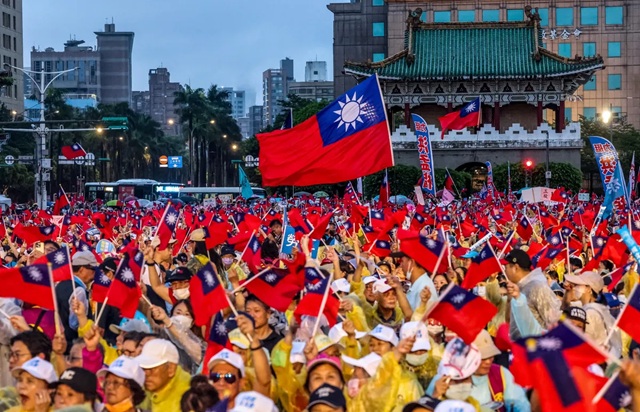
Despite heavy rain from a nearby storm on Friday evening, thousands of supporters and opponents of the recall gathered peacefully in Taipei. Both camps were positioned just a few hundred meters apart, chanting slogans and waving flags in a lively but calm atmosphere.
The recall effort is the result of months of activism led by civil society groups aligned with President Lai Ching-te’s ruling Democratic Progressive Party (DPP). They accuse the KMT of threatening Taiwan’s democracy by allegedly collaborating with Beijing. The KMT denies these accusations and notes that its own attempts to recall DPP lawmakers have failed to meet legal requirements.
Currently, the DPP holds 51 seats in the Legislative Yuan, while the opposition—including the KMT, the Taiwan People’s Party, and aligned independents—holds a combined 62 seats. If at least 12 KMT lawmakers are successfully recalled in Saturday’s vote, the DPP could gain control of the legislature, at least temporarily until by-elections are held. An additional seven KMT districts are slated for recall votes on August 23.
For President Lai and the DPP, a successful recall would facilitate advancing their legislative agenda after months of deadlock on key issues such as budget spending and judicial appointments. Conversely, a failed recall might signal voter fatigue with the island’s intense partisan conflicts, a sentiment evident in January’s presidential election where the two main parties garnered less than 75% of the vote combined.
Taiwan’s elections have a history of peaceful conduct. However, authorities are preparing for a secure process with 15,000 police officers and nearly 6,000 civilian volunteers deployed to polling stations, according to the Central News Agency.