One month after the United States and Iran reached a fragile ceasefire agreement, the world’s humanitarian system remains under severe strain as the fallout from the conflict around the Strait of Hormuz continues to disrupt global trade routes, aid operations, and food supply chains. Despite official claims that hostilities have subsided, humanitarian agencies warn that the consequences of the war are still reverberating across some of the world’s most fragile regions, threatening millions already facing hunger, displacement, and economic collapse.
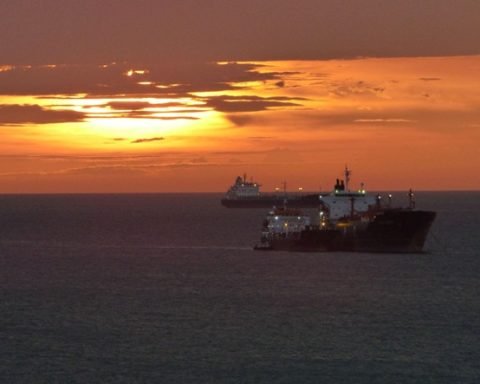
The Strait of Hormuz, one of the world’s most strategically important maritime corridors, has long been viewed primarily through the lens of global oil markets. Roughly a quarter of the world’s oil exports pass through the narrow waterway connecting the Persian Gulf to international shipping lanes. But analysts and aid officials now warn that the humanitarian significance of the Strait has been dangerously underestimated. Beyond energy supplies, enormous volumes of food, fertilizer, medicine, and humanitarian cargo move through the corridor every year, making its disruption catastrophic for relief operations worldwide.
According to analysis published by The Soufan Center, the humanitarian sector has found little relief despite the ceasefire agreement formally holding for several weeks. Aid agencies continue to face shipping bottlenecks, soaring transport costs, and severe operational delays that have fundamentally altered the pace and scale of humanitarian response efforts.
The crisis intensified after the closure and militarization of shipping routes around the Strait forced humanitarian organizations to reroute cargo through longer maritime passages and unreliable overland alternatives. The delays have sharply increased operational expenses while simultaneously slowing the delivery of life-saving supplies to conflict zones and disaster-hit regions.
At the center of the disruption lies the International Humanitarian City in Dubai, widely regarded as the world’s largest humanitarian logistics hub. The facility serves United Nations agencies, international nonprofits, and aid organizations coordinating global relief missions. According to its 2024 annual report, the hub delivered more than 1,225 megatons of aid to over 3.6 million people worldwide. But the war has severely constrained operations at the facility, undermining one of the most important pillars of the international humanitarian system.
The vulnerability of the Gulf’s aid infrastructure became dramatically clear during the height of the conflict when a missile interception reportedly triggered a fire at Dubai’s Jebel Ali port, the Middle East’s largest container terminal located just minutes away from the humanitarian hub. Though the damage was contained, the incident highlighted how quickly regional instability can ripple through global aid supply chains.
Humanitarian organizations say the financial burden created by the conflict has become nearly unmanageable. Shipping costs have surged due to rerouted cargo, congested ports, increased fuel prices, and dramatically higher maritime insurance premiums. The International Organization for Migration reported emergency surcharges of approximately $3,000 per shipping container as organizations struggled to secure alternative transport routes.
The consequences are already being felt in crisis zones thousands of kilometers away. Save the Children reported that $600,000 worth of essential medicines destined for Sudan remain stranded at a port in Dubai due to logistical delays. The organization also revealed that airlifting $172,000 worth of nutrition supplies to Afghanistan now costs nearly twice the value of the cargo itself, forcing aid agencies into impossible financial calculations as humanitarian needs continue to expand.
The crisis extends beyond transportation. Rising fuel prices have emerged as one of the most damaging secondary effects of the conflict, affecting not only aid deliveries but also the basic functioning of hospitals, water systems, refugee camps, and emergency shelters. Humanitarian operations in many developing countries remain heavily dependent on diesel-powered infrastructure. A 2025 assessment cited by Think Global Health found that more than half of hospitals in vulnerable regions rely on diesel generators to maintain essential services.
As fuel costs climb, aid agencies are increasingly forced to reduce the scale of operations, limiting the number of people they can reach. In countries already weakened by conflict and poverty, the effects are immediate and severe. In Somalia, humanitarian workers report that rising transportation costs are preventing patients from traveling to hospitals and treatment centers. Aid officials fear that worsening economic pressure and shrinking humanitarian support could leave vulnerable populations increasingly exposed to recruitment and exploitation by armed groups and criminal networks.
The food and agriculture sector has emerged as perhaps the most critically affected area of the global economy. Fertilizer shipments passing through the Strait of Hormuz have been disrupted, threatening agricultural production in import-dependent countries across Africa and Asia. At the same time, rising energy prices have driven up global food costs, worsening already dire hunger conditions.
The United Nations World Food Programme has reported that the prices of basic food staples have risen by roughly 20 percent in countries such as Somalia and Myanmar since the conflict escalated. In March, the agency warned that as many as 45 million additional people could fall into acute food insecurity or famine conditions because of the disruptions caused by the war. Even before the outbreak of conflict in February, an estimated 318 million people worldwide were already facing severe food insecurity.
Humanitarian experts warn that Africa and Asia remain especially vulnerable because of their dependence on stable maritime supply chains for both food imports and agricultural materials. Any prolonged disruption in the Gulf shipping corridor risks triggering cascading effects across already unstable economies struggling with inflation, debt, climate shocks, and political unrest.
At the same time, aid agencies are confronting one of the worst funding crises in decades. The financial strain caused by the Hormuz conflict has collided with steep reductions in international humanitarian assistance from wealthy donor nations. The dismantling of the U.S. Agency for International Development in 2025 further intensified the pressure on global aid systems already operating with shrinking resources.
According to Refugees International, global humanitarian spending fell dramatically between 2024 and 2025, dropping from approximately $14 billion to just $3.7 billion. Many governments redirected funds toward domestic economic stabilization measures, military spending, and energy security programs linked to inflation caused by the conflict.
Facing mounting shortages and escalating operational risks, humanitarian organizations are now calling for the creation of a dedicated humanitarian corridor through the Strait of Hormuz that would guarantee safe passage for aid shipments. Yet diplomatic and military coordination for such an initiative remains elusive. Many countries have resisted participating in efforts to reopen the Strait, wary of becoming entangled in an increasingly unpredictable confrontation between Washington and Tehran.
Although U.S. President Donald Trump recently announced what he called “Project Freedom,” an initiative aimed at escorting ships through the Strait, uncertainty continues to surround the effort. Iranian officials have reportedly reacted aggressively to the proposal, while attacks on commercial and naval vessels have fueled fears that renewed escalation could erupt at any moment.
For aid organizations, the ceasefire has therefore brought little practical relief. The humanitarian system remains trapped in a prolonged period of disruption marked by rising costs, shrinking access, and rapidly growing needs. As global leaders focus on geopolitical negotiations and maritime security, millions of vulnerable people remain caught in the widening gap between diplomacy and survival.