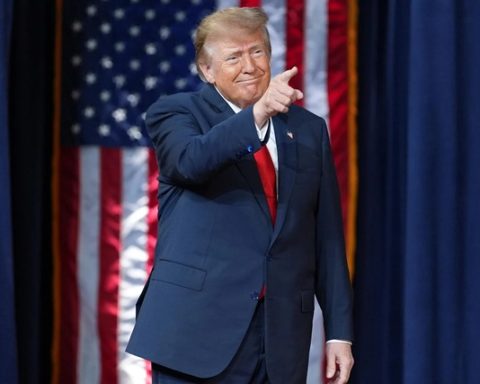
The administration of Donald Trump is considering additional punitive measures against the artificial intelligence startup Anthropic, even as the firm’s challenge to existing government sanctions moves through the courts. During the company’s first hearing in federal court, government lawyers declined to rule out further penalties, signaling that tensions between Washington and one of the world’s leading AI developers could deepen in the coming weeks.
At a video conference hearing before US District Judge Rita Lin, Anthropic asked the government to guarantee that no additional sanctions would be imposed while the legal dispute proceeds. Justice Department attorney James Harlow refused to offer such assurances, stating he was not prepared to make any commitments on the matter. The exchange comes as the White House prepares an executive order that could formally ban the use of Anthropic’s technology across federal agencies, according to a person familiar with internal discussions.
The hearing followed the filing of two lawsuits by Anthropic accusing the administration of unconstitutionally labeling the company a supply-chain risk, a designation that has already shaken its business relationships. The firm argues the government’s actions have turned it into a pariah within the technology sector, threatening billions of dollars in revenue as customers reconsider contracts and demand revised terms.
Anthropic is seeking a preliminary injunction that would suspend the risk designation and block the administration from imposing additional penalties while the case is heard. Company lawyer Michael Mongan told the court that the government’s actions are causing “irreparable injuries” that are growing daily. He indicated the company might accept a slightly delayed hearing if the administration agreed not to escalate the dispute further, but that assurance was not given.
Judge Lin subsequently scheduled the preliminary hearing for March 24 in San Francisco, moving it forward but still later than the company had hoped. She noted the case carries major consequences for both sides and emphasized the need to consider a complete record before issuing a ruling.
The conflict between the government and Anthropic traces back months to a dispute with the United States Department of Defense. The Pentagon moved to sanction the AI company after it refused to approve the use of its technologies by the military for any lawful purpose. Anthropic says such permission could allow applications ranging from large-scale domestic surveillance to autonomous weapons systems operating without human oversight. Defense officials argue that decisions on how technology is used remain the military’s prerogative.
Legal experts say the case highlights a broader clash between national security authority and the autonomy of private technology companies. Some constitutional scholars argue the administration is stretching laws originally designed to guard against sabotage by hostile foreign actors. Others caution that courts historically grant wide deference to government claims involving national security, which could complicate Anthropic’s legal challenge.
The dispute is already rippling through the technology industry. Companies that rely on Anthropic’s AI system known as Claude are uncertain whether to continue integrating the tools or begin shifting to competitors. Rivals such as OpenAI and Google have moved ahead with defense-related contracts that could replace Anthropic’s role in government projects, despite internal pressure from employees wary of military uses of AI.
Even if courts eventually overturn the sanctions, analysts say the confrontation may still reshape relations between Washington and the rapidly growing AI sector. The aggressive stance toward Anthropic could serve as a warning to other contractors that refusing government demands—especially in areas tied to national security—may trigger severe consequences. According to former Pentagon contracting officials, the message is clear: technology companies that challenge defense policies risk facing heavy-handed government intervention and losing access to lucrative federal business.