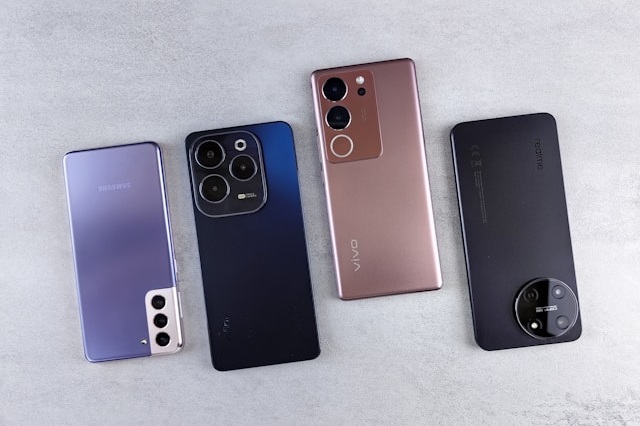
In a move aimed at easing global investor jitters, the Trump administration has excluded smartphones, along with routers and selected computers, from its sweeping new “reciprocal” tariffs—marking a rare moment of restraint in what has otherwise been an escalating trade conflict with China.
According to a late-night notice posted by U.S. Customs and Border Protection on Friday, the exclusions will apply to tariffs that include a steep 125 percent levy on a wide range of Chinese imports. The exemption comes after a week of intense volatility in financial markets, sparked by the administration’s April 2 declaration of “liberation day,” when President Trump officially launched his multi-front trade offensive.
As reported by the Financial Times, the abrupt introduction of tariffs rattled investors worldwide, triggering a sharp stock market sell-off and a dramatic dip in the $29 trillion U.S. Treasury market. The reprieve for smartphones, one of the most globally traded consumer products, may help stem the financial turbulence—at least temporarily.
This marks the first notable softening of Trump’s aggressive tariff policy against China since he began ramping up reciprocal levies earlier this month. While the administration continues to maintain 10 percent tariffs on most trading partners, certain sectors—such as semiconductors and pharmaceuticals—had already been granted exemptions. However, Trump has previously signaled that those areas may not remain shielded for long.
“This isn’t a retreat, but rather a recalibration,” said a Washington-based trade analyst, speaking on background. “The administration is trying to maintain maximum pressure on China without inflicting collateral damage on U.S. markets—or alienating American consumers who rely on tech products.”
U.S. Customs and Border Protection, which is responsible for enforcing tariff policy, declined to provide further detail and referred all inquiries to the U.S. International Trade Commission. The ITC has not yet responded to requests for comment, Financial Times noted.
It remains unclear whether the smartphone exemption will override all tariffs imposed on mobile devices from China. While spared from the latest batch of reciprocal duties, imports could still face a 20 percent levy introduced under a separate mechanism that was announced as part of Trump’s broader tariff strategy.
The exemption also reflects the complexity of targeting Chinese goods in a globalized supply chain where many American-designed products, including leading smartphone brands, are manufactured in China and reimported into the U.S. Market analysts suggest that taxing smartphones could have severely impacted U.S. tech companies and consumer prices ahead of the 2026 election cycle.
“This move acknowledges the economic realities behind the rhetoric,” one senior economist told the FT. “It’s an implicit admission that not all tariffs are created equal—and that some carry real domestic political risk.”
Despite the reprieve, tensions between Washington and Beijing remain high. Trade officials say additional tariffs could still be announced in the coming weeks, and sectors not yet exempt may find themselves back in the crosshairs as Trump doubles down on his broader economic nationalist agenda.