In a move that has ignited widespread debate, the President Donald Trump has announced the reopening and expansion of the infamous Alcatraz prison, declaring the historic facility will once again serve as a high-security federal penitentiary for what he calls “America’s most ruthless and violent offenders.”
Trump made the announcement via a post on his Truth Social platform, stating, “REBUILD, AND OPEN ALCATRAZ! When we were a more serious Nation, in times past, we did not hesitate to lock up the most dangerous criminals, and keep them far away from anyone they could harm.”
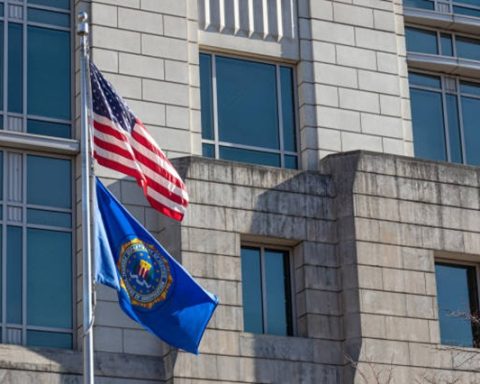
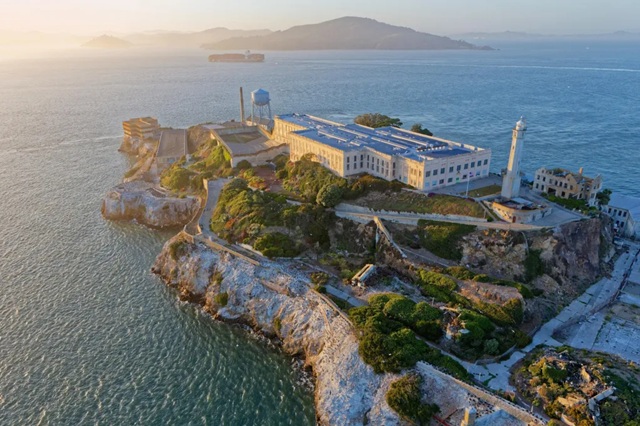
The directive calls on the Bureau of Prisons (BOP), Department of Justice, FBI, and Homeland Security to oversee a “substantially enlarged and rebuilt” version of the notorious island facility, which has been a national park and major tourist destination since its closure in 1963.
Known as “The Rock,” Alcatraz housed some of America’s most notorious criminals, including mob boss Al Capone and murderer Robert Stroud, before shutting down due to high operational costs and logistical challenges tied to its remote island location in San Francisco Bay. According to the BOP, the prison was nearly three times more expensive to operate than other facilities, with a projected $3-5 million in restoration costs at the time of its closure.
Today, the island is managed by the National Park Service and attracts around 1.5 million visitors annually. It also holds a unique place in American pop culture, having been immortalized in films like Escape from Alcatraz and The Rock.
The Department of Justice has not released details about funding, a construction timeline, or the expected capacity of the new Alcatraz. A BOP spokesperson confirmed only that the agency “will comply with all Presidential Orders,” while declining to comment on the feasibility of reopening the island facility.
Critics argue the move is more symbolic than practical. The federal government already operates 16 maximum-security penitentiaries across the country, including ADX Florence in Colorado and USP Terre Haute in Indiana, which currently houses the federal death chamber.
The announcement follows a string of controversial criminal justice initiatives by Trump, including a failed $16 million operation to detain migrants in Guantanamo Bay and attempts to send U.S. gang suspects to prisons in El Salvador without due process. Both efforts faced sharp legal and political backlash.
Whether Alcatraz will genuinely reopen — and if so, how it will function in a modern corrections landscape — remains uncertain. For now, the former prison’s fate hangs in the balance between political rhetoric and logistical reality.