


US President Donald Trump has vowed to halt all future US assistance to South Africa over its newly enacted land expropriation law, a move that has rattled markets and caused the South African rand to fall sharply.
As reported by the Financial Times, Trump made the announcement on Truth Social, accusing the South African government of unfairly confiscating land and discriminating against “certain classes of people.” He declared, “I will be cutting off all future funding to South Africa until a full investigation of this situation has been completed!”
Following his remarks, the rand weakened by 1.9 percent, trading at R19 per dollar. Trump later reinforced his stance while speaking to reporters, alleging—without presenting evidence—that the situation in South Africa was worse than land confiscation alone.
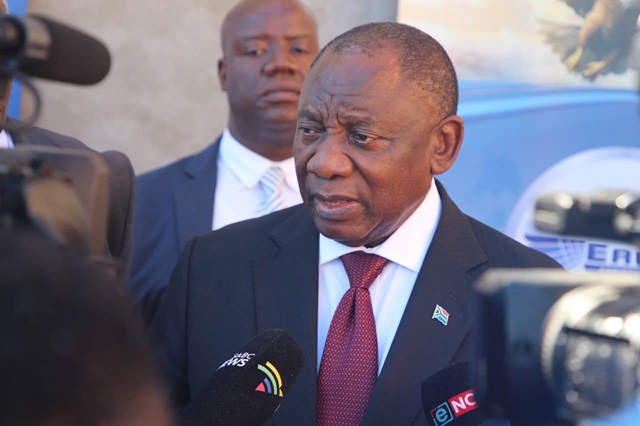
The controversy stems from South African President Cyril Ramaphosa’s recent approval of an expropriation bill that allows authorities to reclaim land in the public interest, with the government citing inclusivity and access to natural resources as key justifications.
According to Financial Times, the US allocated nearly $440 million in assistance to South Africa in 2023. However, the Trump administration has already suspended all foreign assistance for 90 days and cast uncertainty over its primary international aid agency, USAID.
The development comes as South Africa holds the G20 presidency this year. Meanwhile, close Trump ally and head of the Department of Government Efficiency, Elon Musk—who was born in South Africa—has reportedly expanded his influence over US governmental operations, including control over Treasury payments and USAID information access.
This is not Trump’s first confrontation with South Africa. During his first term, he called for an investigation into allegations of widespread killings of white farmers—claims that the South African government has repeatedly dismissed as baseless. More recently, Trump has also taken an aggressive stance against the BRICS bloc, threatening 100 percent tariffs if its members attempt to move away from the US dollar as a reserve currency.










