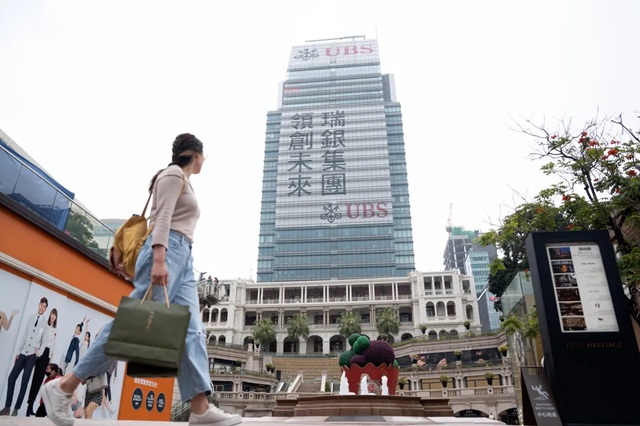
UBS Group AG is intensifying checks on the origins of client funds in its rapidly growing Asian wealth hubs, prompting some customers to provide more detailed disclosures. The move comes as the Zurich-based lender seeks to minimize regulatory clashes while expanding its presence in the region, according to reporting by Bloomberg. UBS is enlisting Deloitte and KPMG to review client documentation in Singapore and Hong Kong for signs of illicit activity, including money laundering. Sources familiar with the matter said the inquiries sometimes extend to records over a decade old, including handwritten documents.
Singapore has strengthened its financial oversight following a S$3 billion ($2.3 billion) money-laundering scandal in 2023, which involved both local and international banks. UBS is applying a more disciplined approach to compliance amid these tougher regulations, relying on external firms to supplement its internal teams as the workload increases. Representatives from UBS and Deloitte declined to comment, while KPMG did not respond to requests for comment.
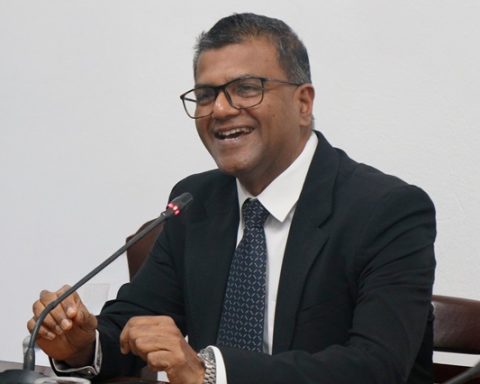
Iqbal Khan, UBS Asia Pacific head, faces the challenge of accelerating growth while integrating Credit Suisse’s former business and ensuring the removal of potentially illicit funds. Following UBS’s 2023 acquisition of Credit Suisse, thousands of smaller accounts previously held by the rival bank have been closed. The move highlights the importance of Hong Kong and Singapore as wealth management hubs; Bloomberg Intelligence forecasts that private wealth under management in Hong Kong could nearly double to $2.6 trillion by 2031, potentially surpassing Switzerland as the world’s largest cross-border center.
Khan, viewed as a potential successor to CEO Sergio Ermotti, must navigate rising geopolitical tensions and strong competition from entrenched regional players such as DBS Group Holdings Ltd. and HSBC Holdings Plc. Singaporean authorities have increased scrutiny on some Chinese-born clients with multiple citizenships, reflecting the city-state’s response to the 2023 money-laundering scandal. This year, Singapore imposed S$27.5 million ($21.2 million) in fines on nine financial firms, including UBS and Citigroup Inc., for breaches of anti-money laundering rules. Credit Suisse’s Singapore branch faced the largest penalty at S$5.8 million.
UBS’s regulatory challenges extend beyond Asia. In September, the bank concluded a long-running legal case in France, agreeing to pay €835 million ($974 million) in fines and damages for helping citizens evade taxes, less than a fifth of the original penalty. The bank’s heightened scrutiny in Asia demonstrates a strategic effort to maintain regulatory compliance while pursuing growth in some of the world’s most lucrative wealth markets.