The United States has imposed new sanctions on Cuba’s state-owned energy company, Unión Cuba-Petróleo (CUPET), intensifying Washington’s efforts to increase pressure on the Cuban government as the island faces a severe energy crisis. The measures, announced Thursday by the State Department under Secretary of State Marco Rubio, block the assets of the state oil company and form part of a broader campaign aimed at tightening economic and diplomatic pressure on Havana.
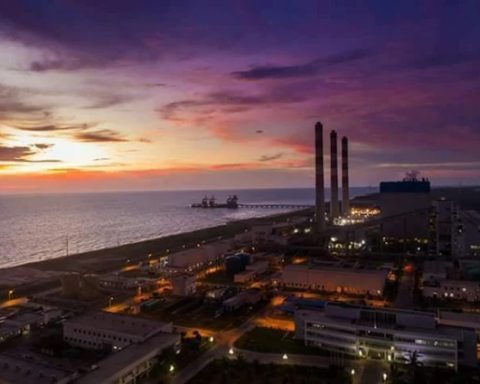
The sanctions come at a time when Cuba is experiencing persistent power outages and fuel shortages, conditions that have disrupted daily life across the country. In a statement, the State Department said Cuba’s energy sector has long been used by the communist government as a tool for repression and personal enrichment. The department asserted that energy resources on the island have been manipulated for the benefit of those in power rather than the broader population.
Washington said the action against CUPET is intended to weaken the Cuban government’s ability to use energy-related trade to support what it described as a corrupt political agenda and a repressive security apparatus. The Trump administration stated that it would continue targeting Cuba’s capacity to generate resources through the energy sector.
The latest sanctions are part of a wider US campaign against the government of President Miguel Díaz-Canel. In recent weeks, American authorities have expanded economic and diplomatic measures against senior Cuban officials and institutions. According to the White House, the sanctions are justified by allegations of corruption among the country’s ruling circles.
US officials claimed that while ordinary Cubans have endured fuel shortages and repeated blackouts due to years of underinvestment in critical infrastructure, government leaders have diverted energy resources for their own benefit. The White House alleged that fuel supplies have been resold on secondary markets, reserved for military and intelligence agencies, and used as a mechanism of social control.
The administration also alleged that, as Cuban citizens wait weeks to refuel their vehicles and cope with frequent electricity disruptions, members of the Castro family continue to enjoy privileges, including travel by private jet. It further claimed that the government prioritizes maintaining electricity supplies for luxury tourist hotels while other sectors face shortages.
The sanctions against CUPET follow a series of recent actions by Washington. Last week, the United States blocked bank accounts linked to President Díaz-Canel and members of his extended family. The US Treasury Department also imposed sanctions on Alejandro Castro Espín, son of former Cuban leader Raúl Castro, as well as on entities including the Ministry of the Revolutionary Armed Forces and the Committees for the Defense of the Revolution.
At the same time, US Defense Secretary Pete Hegseth visited the Guantánamo Bay naval base in Cuba, where he urged American troops to remain prepared for any contingency. During the visit, Hegseth told service members that Cuba’s future was in the hands of President Donald Trump and the country’s leadership.
Rubio has also recently addressed the situation in Cuba, saying US officials had communicated to Cuban authorities what steps they believe are necessary for economic recovery. Speaking before the Senate, he accused Cuba of supporting left-wing militant groups in the Western Hemisphere and alleged that the military-linked conglomerate GAESA exercises extensive control over key sectors of the Cuban economy.
The latest developments follow additional legal action by the United States. Days earlier, the Department of Justice filed charges against Raúl Castro, 94, and five other military officials in a federal court in Miami. The charges, which include allegations of murder, conspiracy to kill US citizens and destruction of aircraft, relate to the 1996 downing of two aircraft operated by the anti-Castro organization Brothers to the Rescue. Cuba has not responded in the source text to the latest sanctions or allegations.