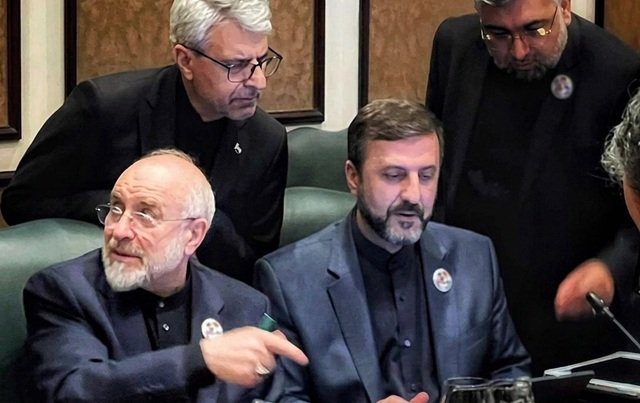
The first phase of Pakistan-mediated ceasefire negotiations between the United States and Iran has concluded in Islamabad, marking a cautious step forward in efforts to halt a conflict that has unsettled the wider region. Expert-level teams from both sides exchanged written proposals aimed at building a clear framework for future discussions, with another round of talks expected within the next day.
The Iranian delegation, led by Parliament Speaker Mohammad Baqer Qalibaf, entered the talks following Washington’s decision to release frozen Iranian assets, a key demand outlined in Tehran’s previously submitted 10-point proposal. The plan, described by US President Donald Trump as a workable basis for negotiations, had been shared through intermediaries and formally presented ahead of the Islamabad meeting.
The negotiations come shortly after both sides agreed to a two-week ceasefire, reached 40 days after US and Israeli military actions against Iran during a period of nuclear-related tensions. Tehran’s response included strikes on US and Israeli targets across the region and the imposition of a near-total blockade on the strategically vital Strait of Hormuz, an issue now central to the ongoing discussions.
Iran has also pushed for a halt to Israeli military operations in Lebanon as part of its conditions. While this demand was included in Tehran’s proposal, US and Israeli officials have indicated that the Lebanese front is not formally part of the ceasefire arrangement. Pakistani officials, however, have suggested otherwise, adding another layer of complexity to the negotiations. Recent reports indicate that Israeli operations have scaled back in Beirut while continuing in southern Lebanon.
Ahead of the talks, the Iranian delegation met with Pakistani Prime Minister Shehbaz Sharif, underscoring Islamabad’s central role as mediator. The Iranian team also includes Foreign Minister Abbas Araghchi, senior security official Ali-Akbar Ahmadian, and Central Bank Governor Abdolnasser Hemmati, along with parliamentary representatives.
On the American side, Vice President JD Vance held separate talks with Shehbaz Sharif, accompanied by special envoy Steve Witkoff and senior adviser Jared Kushner, reflecting Washington’s high-level engagement in the process.
Iranian officials are expected to review the latest US positions before determining their next steps, as both sides weigh the possibility of extending the ceasefire into a more durable settlement. The outcome of the upcoming rounds in Islamabad could prove decisive in shaping whether the current pause in hostilities evolves into a lasting agreement.