Venezuela’s Acting President Delcy Rodríguez has renewed calls for the International Monetary Fund to release approximately $5 billion in frozen Special Drawing Rights (SDRs), originally requested by President Nicolás Maduro in 2020. The appeal comes amid a broader diplomatic and political campaign framed by Caracas as essential to restoring economic stability, improving public services, and addressing the impact of international sanctions.
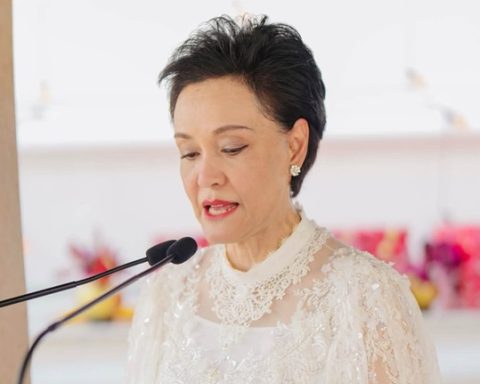
Rodríguez confirmed that she recently held a high-level conversation with IMF Managing Director Kristalina Georgieva, centering on Venezuela’s continued demand for access to the blocked funds. She recalled that the initial request was made on March 15, 2020, when President Maduro sought emergency financing during the global COVID-19 crisis, specifically to strengthen the country’s healthcare system. According to Venezuelan officials, the funds were never disbursed despite what they describe as urgent national needs at the time.
The Venezuelan government maintains that the frozen SDRs are sovereign resources belonging to the country and argues that their release is necessary for critical national recovery. Officials have repeatedly raised the issue in international dialogue platforms, including discussions in Barbados, Mexico, and Qatar, presenting it as part of a sustained effort to regain access to financial assets they consider unjustly restricted.
Rodríguez outlined that the government has defined specific plans for the use of the funds, prioritizing the rehabilitation of essential infrastructure such as electricity and water systems, which Caracas says have been severely affected by unilateral coercive measures and restricted access to international financing. She also emphasized that restoring macroeconomic stability, including currency and exchange rate conditions, is a central objective tied to the potential release of the SDRs.
A key element of the proposal includes improving income conditions for Venezuelan workers, with the stated goal of strengthening purchasing power and living standards. These priorities are integrated into the government’s broader Seven Transformations Plan, which authorities describe as a nationally debated development framework aimed at long-term economic restructuring.
Alongside the financial negotiations, Rodríguez’s visit to Falcón state coincided with continued participation in a nationwide mobilization known as the “Grand National Pilgrimage for a Venezuela without Sanctions and in Peace.” The event has been presented by the government as a popular movement opposing sanctions and advocating for economic recovery. In Falcón, she announced new regional development initiatives, including the creation of a Presidential Commission for the integrated development of Santa Ana de Coro, focused on improving public services and boosting tourism and economic activity.
She also ordered the rehabilitation of the Muaco pier to strengthen maritime connectivity with the Caribbean, a project intended to enhance trade and support local production. The initiatives are framed by authorities as part of a broader effort to stimulate regional growth while reinforcing Venezuela’s long-term development strategy amid ongoing international financial restrictions.