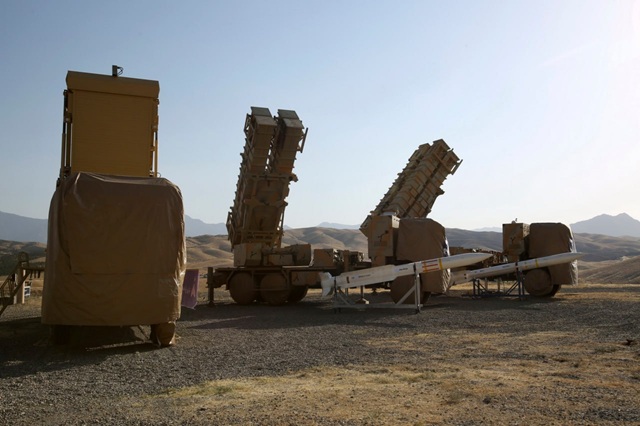
As Iran steadily rebuilds its ballistic missile arsenal and Israel advances its missile defense technologies, both nations are engaged in a high-stakes strategic arms race that may shape the nature—and the cost—of any future conflict between them.
Following a recent 12-day conflict, Israel and the United States declared operational successes, including crippling key elements of Iran’s air defense and gaining near-total air superiority deep over Iranian territory. This enabled precise strikes on Iran’s missile production and launch facilities. However, Iran’s missile attacks, despite being largely intercepted, still inflicted casualties and unprecedented damage on Israeli civilian infrastructure.
According to missile experts cited by Haaretz, Iran still possesses approximately 1,000 ballistic missiles capable of reaching Israeli territory. The Iranian missile program, embedded within the country’s military bureaucracy, continues its development despite setbacks. While Iran’s militias have underperformed in recent conflicts, its missile force has proven to be a potent threat—at times successfully breaching Israeli and U.S. defenses.
The financial and logistical burden of Israel’s missile defense is immense. Haaretz reports that nearly 150 THAAD interceptors—each costing millions of dollars—were launched in the recent campaign, representing about a quarter of the U.S. stockpile. Production rates remain limited, raising questions about the sustainability of maintaining sufficient interceptors to counter large-scale barrages.
Looking ahead, experts warn that Iran could rebuild a more advanced air defense system and possibly revive its outdated air force. Iran’s current fleet includes aging aircraft like F-4 Phantoms and MiG-29s, but there are indications Tehran is seeking modern jets from Russia and China, though deals face delays.
Israel, meanwhile, is focused on developing faster and more efficient interceptors capable of neutralizing missiles during their launch phase—a concept known as boost-phase interception. This technology, still in its infancy, may involve laser-based weapons systems that can destroy missiles almost instantaneously after launch.
Despite Iran’s claims of replacing lost air defenses, Haaretz notes that Israel likely retains air superiority and could conduct future strikes with relative freedom. The Chinese and Russian air defense systems that Iran relies on have thus far underperformed, and Iran’s quest for more sophisticated hardware faces geopolitical and economic hurdles.
Israeli defense officials emphasize that future conflicts with Iran must be swift and focused, aiming to maintain deterrence and prevent nuclear or missile advancements. Ground-launched Israeli missiles, delivering immediate retaliatory power, may play a key role in such scenarios.
As the Haaretz analysis highlights, the coming years will be critical in determining the balance of power in this volatile region—where technological advancements, economic constraints, and strategic decisions will decide the outcome and the human cost of the next Israel-Iran missile war.