Almost all of the world’s shallow-water coral reef ecosystems are threatened with collapse, according to the first systematic assessment of all 127 reef systems, which found that 96 per cent face a risk severe enough to place them in the highest threat category. The International Union for Conservation of Nature (IUCN), which maintains the Red List of Threatened Species, announced the findings and said the reefs would now be included on its Red List of Ecosystems. Four reef systems could not be assessed because there was insufficient data.
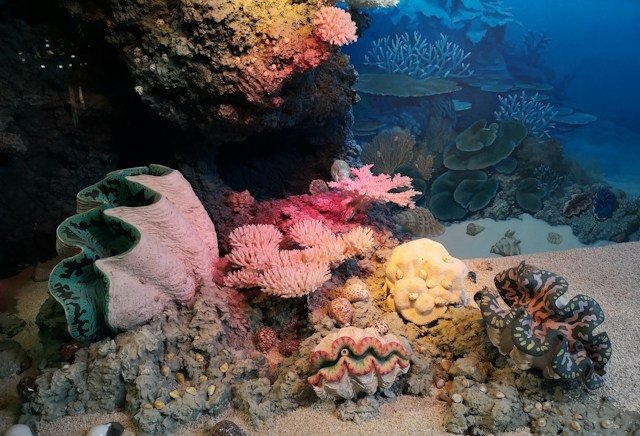
The assessment covers the familiar, brightly coloured reefs found in waters down to approximately 40 metres deep. Their warm temperatures and access to sunlight support exceptionally high levels of biodiversity, making them important habitats for a wide range of marine life. The threatened ecosystems include parts of Australia’s Great Barrier Reef, the Coral Triangle in the western Pacific and South-east Asia, the Mesoamerican Reef System and reefs in the Red Sea.
The findings extend the scope of the international conservation assessment beyond individual threatened species to the ecosystems on which they depend. Established in 2014, the IUCN Red List of Ecosystems evaluates the risk that habitats and ecological systems will collapse. More than 4,000 ecosystems have been assessed under the initiative so far. The inclusion of shallow-water coral reefs places the widespread danger facing these marine environments within a framework designed to assess the survival prospects of entire ecosystems.
Climate change is a central factor in the assessment. Corals tolerate only limited temperature fluctuations, according to the IUCN. When seawater becomes too warm, they expel the microalgae living in their tissues that provide them with nourishment. This process causes the corals to bleach, and they often die if the stress persists. Marine heatwaves are becoming more frequent as the climate changes, exposing reefs to repeated episodes of damaging heat.
The assessment was based on the middle climate scenario used by the Intergovernmental Panel on Climate Change (IPCC), which assumes that atmospheric temperatures will rise by approximately 2.7 degrees Celsius by the end of the century. The projection contrasts with the international community’s stated ambition to limit global warming to 1.5 degrees Celsius above pre-industrial levels, a target that the source report describes as now being considered almost impossible to achieve.
The temperature projections matter because the survival of coral reefs depends on their ability to withstand heat stress and recover between damaging events. As marine heatwaves become more frequent, the interval available for recovery can shrink. The assessment identifies the threat across reef systems worldwide, rather than limiting concern to individual locations or isolated bleaching episodes.
Climate change is not the only pressure identified by the IUCN. Overfishing is also damaging reefs, particularly in East Asia, the Caribbean and Brazil. Parrotfish and groupers play an important role in controlling algae on reefs. When these fish populations decline, algae can spread more readily, making it harder for reefs to recover after heat stress.
The relationship between fishing pressure and reef recovery highlights how local human activities can compound the effects of rising temperatures. While warming drives bleaching, the loss of fish that help keep algal growth in check can weaken the capacity of affected ecosystems to recover. Reefs exposed to several pressures therefore face risks that extend beyond the immediate effects of a marine heatwave.
Increasing coastal development, pollution and excessive tourism also threaten coral ecosystems, according to the IUCN. These pressures add to the difficulties faced by reefs already affected by warming seas and the depletion of fish populations. The assessment identifies several interacting sources of damage, with climate change affecting reefs on a broad scale while other pressures contribute to their deterioration in particular regions.
The consequences of an ecosystem collapse extend well beyond the loss of colourful coral formations. When a reef collapses, the hard corals that provide its physical foundation almost entirely disappear. Algae and sponges then spread, transforming the structure of the habitat and reducing the diversity of the resulting ecosystem.
As the reef system deteriorates, it can no longer sustain many of the animals that previously depended on it. These include molluscs, sea cucumbers, reef fish, marine turtles and sharks. The decline of the underlying coral structure therefore threatens an extensive range of marine life, not simply the corals themselves.
The IUCN’s assessment places 123 of the 127 evaluated shallow-water reef systems in the highest threat category, while four remain unassessed because the available evidence was insufficient. The findings establish the scale of the risk across the world’s major reef systems, including some of its most biologically diverse marine habitats.