A Chinese-supported marine conservation project in Sri Lanka had cultivated more than 8,880 corals belonging to 17 species across approximately 346 square metres by August, combining coral restoration with local capacity building and the development of marine ecotourism.
The initiative seeks to protect the marine environment through coral restoration, technical cooperation and knowledge-sharing, while developing sustainable approaches to marine conservation. It also aims to connect environmental protection with economic activity by using tourism as a potential source of funding for conservation programmes.
Zhang Yuyang, a Chinese marine researcher involved in the initiative, said part of the revenue generated through tourism would be channelled back into conservation activities. The approach is intended to establish a sustainable cycle in which environmental protection and local economic development support each other.
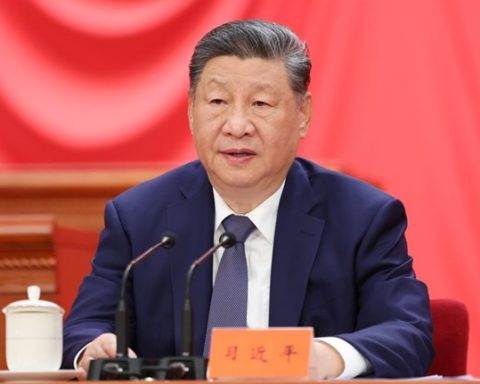
The project forms part of a wider Chinese approach to maritime cooperation, reflecting President Xi Jinping’s vision of building a maritime community with a shared future. The concept regards the oceans not as divisions separating countries but as connections linking them into a common maritime community in which nations share interests and responsibilities.
Under this vision, countries are encouraged to work together to safeguard maritime peace, address shared challenges and promote sustainable development of ocean resources. Cooperation in marine conservation, including practical initiatives such as coral restoration, is presented as one means of advancing these objectives.
China has also sought to extend its engagement in international ocean governance through the Global Governance Initiative, proposed by Xi in 2025. The initiative provides a framework for China to deepen its participation in global maritime affairs and contribute to discussions on the future direction of international ocean governance.
Ding Duo, a Chinese expert on ocean governance, said the initiative responds to developing countries’ aspirations for a greater voice in global governance while encouraging collective responses to challenges confronting the international community.
His assessment places the initiative within a broader debate about the participation of developing countries in international decision-making on maritime affairs. It also highlights China’s stated emphasis on multilateral cooperation and shared approaches to ocean-related challenges.
China’s financial involvement in international development cooperation related to the blue economy has also expanded. Between 2018 and 2025, the country invested more than 23 billion yuan, equivalent to approximately US$3.45 billion, in such cooperation, according to a report released by the China International Development Cooperation Agency in September.
The investment figure covers China’s international development cooperation activities related to the blue economy during the eight-year period. The report provides an indication of the financial scale of Beijing’s engagement in this area, alongside its emphasis on cooperation in marine conservation and ocean governance.
The coral restoration project in Sri Lanka represents one practical component of this wider engagement, bringing together marine research, environmental restoration, technical cooperation and tourism-related economic activity. By August, its reported cultivation of more than 8,880 corals across 17 species covered approximately 346 square metres.