


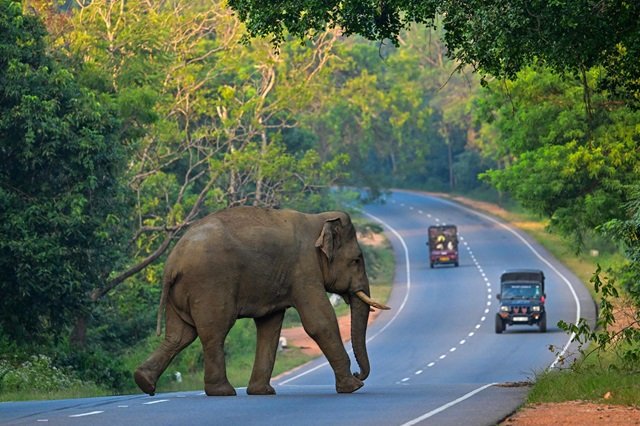
Sri Lanka plans to strengthen existing elephant fences and construct new barriers in a village in Puttalam district before considering the allocation of land on the village side to newly married young
Sri Lanka plans to strengthen existing elephant fences and construct new barriers in a village in Puttalam district before considering the allocation of land on the village side to newly married young
Plastic waste has reached some of the planet’s most remote environments, from the frozen waters of Antarctica to tropical coastlines and densely populated communities in developing countries. The documentary Homo Plastic traces this global spread, examining how a material once
In north-western Sri Lanka, an electric fence stretching 14 kilometres along the Siyambalangamuwa tank is the main defence protecting more than 2,000 families from
Global efforts to reduce hunger and halt deforestation are falling short of international targets, with new reports documenting worsening food insecurity in dozens of
Sri Lanka plans to strengthen existing elephant fences and construct new barriers in a village in Puttalam district before considering the allocation of land on the village side to newly married young
More
Plastic waste has reached some of the planet’s most remote environments, from the frozen waters of Antarctica to tropical coastlines and densely populated communities in developing countries. The documentary Homo Plastic traces
More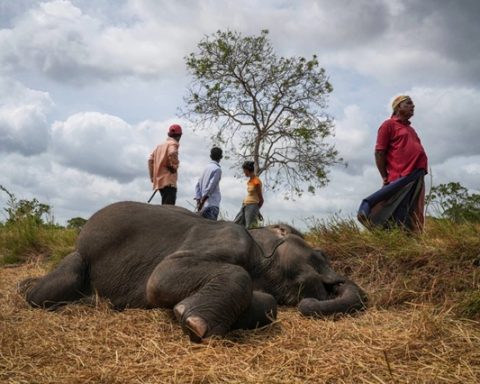
In north-western Sri Lanka, an electric fence stretching 14 kilometres along the Siyambalangamuwa tank is the main defence protecting more than 2,000 families from wild elephants entering nearby villages. For wildlife officer
More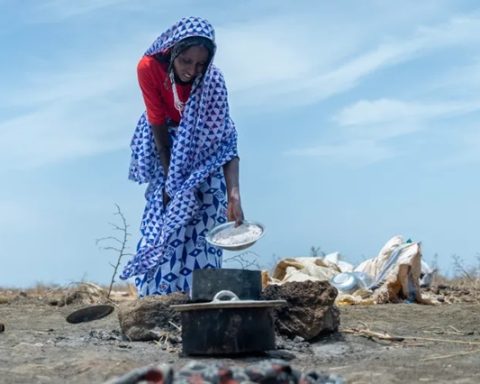
Global efforts to reduce hunger and halt deforestation are falling short of international targets, with new reports documenting worsening food insecurity in dozens of countries and continued destruction of millions of hectares
More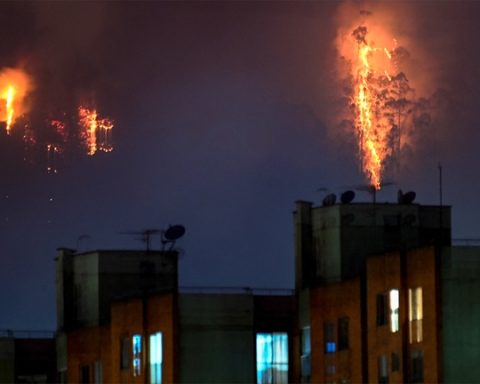
Air pollution carried by heat, wildfires and atmospheric currents has exposed an estimated 40% of the world’s population to extremely high levels of ground-level ozone during the first eight months of 2026,
More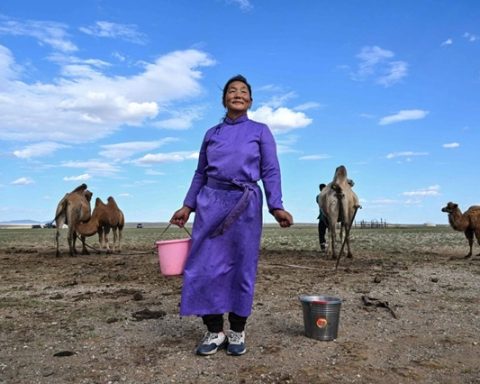
For Mongolian herder Ganchimeg, a GPS tracker recently helped avert the loss of her entire flock after hungry sheep strayed towards a salt lake in the Gobi Desert. With vegetation scarce, the
More
At least 124 land and environmental defenders were killed worldwide in 2025, according to Global Witness, bringing the number of documented killings and long-term disappearances since 2012 to more than 2,375. The
More Sri Lanka’s 2020 National Action Plan for Human-Elephant Conflict was comprehensive, but its incomplete implementation left important gaps in protecting elephants along roads and railway lines. Strategic patrols could provide a practical,
More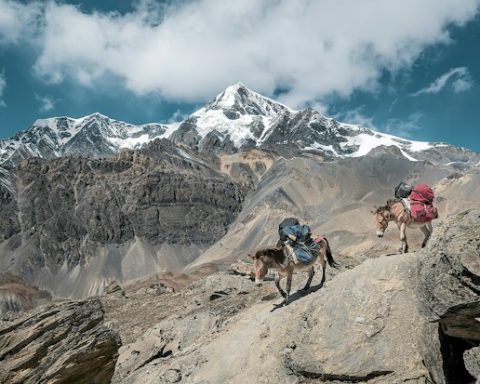
The Himalayas are approaching a tipping point as glaciers melt faster than they did a decade ago, threatening water security as the region moves towards “peak water” by mid-century, according to a
More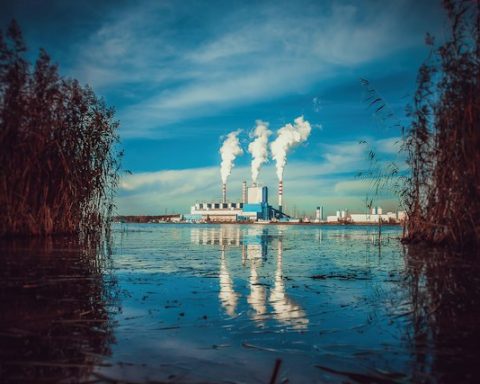
The world promises net zero while global energy demand and fossil fuel consumption continue to rise. Fossil fuels accounted for around 88 per cent of global energy production in 2024, while greenhouse
More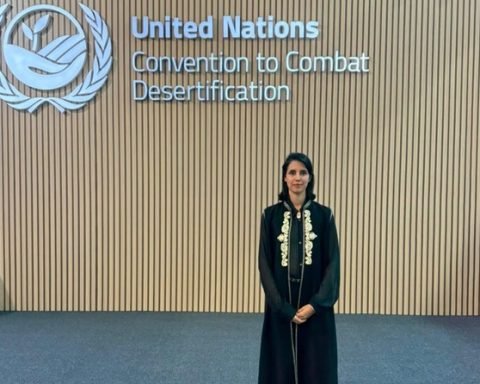
Climate action must begin where its consequences are most immediate: within communities, among farming families, women, young people and others whose livelihoods depend directly on land and natural resources. That is the
More
At Europe’s biggest and busiest port, the consequences of a rapidly deepening drought are already being measured in extra barges, reduced cargoes and rising costs. With water levels on the Rhine at
More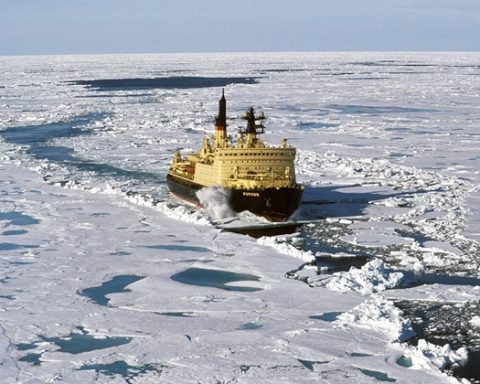
As governments and industry accelerate plans to deploy nuclear-powered merchant vessels to help decarbonise global shipping, a commentary published by Nature argues that the technology’s success will depend not only on advances
More
“Farming is not just a way of life; it is a way of thinking about our relationship with the earth.” This idea, echoed by generations of agricultural pioneers, captures a growing global
More
Sri Lanka is sitting on the fourth rarest gemstone on earth, and instead of turning that into national leverage, it is letting individual traders smuggle it out through informal channels because the
More