The storm is still brewing over Bangladesh which has witnessed a sudden shift in power – from a government that has been there for fifteen years to one which is an interim now. The pertinent question that remains – is when it will see again an elected government.
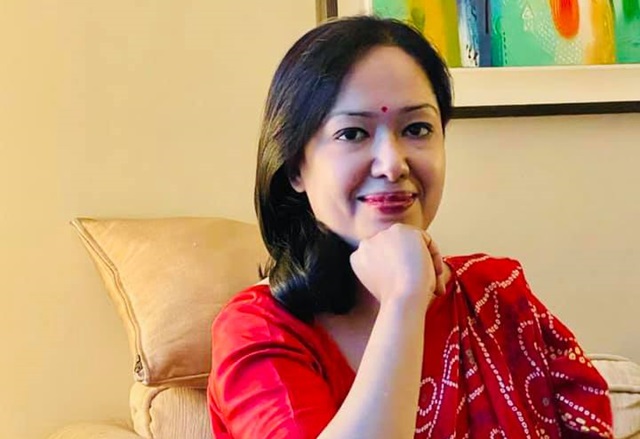
In an exclusive interview with the Sri Lanka Guardian, the former Leader of the Opposition in Bangladesh, Ms Rumeen Farhana, said, “The first and foremost agenda of the interim government should be to stabilize the country and maintain law and order.”
Three days after former Prime Minister, Ms Sheikh Hasina quit, Nobel Laureate Muhammed Yunus, took over as the Chief Advisor of the interim government.
“It is a non-partisan interim government, and they have to take the necessary steps to create a ‘healthy democracy’. The society is paralyzed to an extent, and it is time to invest in country-building. There is a need to change the thought process of individuals,” said the inclumbed International Affairs Secretary of the Bangladesh Nationalist Party.
Also, the secretary of the central international affairs of the Bangladesh Nationalist Party, Ms Farhana, alleged, “Also, the economy must be brought back on track. If a peon can amass an illegal wealth of Rs 400 crores (Bangladeshi Taka) in a few years, then imagine the rest.”
Also, another issue slowly gaining eyes and views is the minority population in Bangladesh. There are reports of minority killings in the country after the fall of the Hasina government.
As far as minority issues in Bangladesh are concerned, she said,” We will ensure the security and safety of minorities in the country. I have myself helped the minorities as much as I could and will always extend my help as and when required.”
Speaking to Sri Lanka Guardian, the organizing secretary of the Bangladesh Journalism Students Council, Nilay Biswas, said,” The situation in the country, even though was vague at the beginning, is becoming clearer with time. Minorities were indeed harmed, but at the same time, Muslims also protected minorities. We hope the interim government will take the necessary steps to ensure the security of the country and further ensure the democratic procedure of the country by arranging a proper election in which all the parties will be involved.
“There is no way anybody can harm our country or society,” said Ms Farhana, who is also a senior lawyer.
She also said that she looks forward to maintaining a good and cordial relationship with India and also that discussion on border killings and Teesta issues should go on and reach an amicable solution.