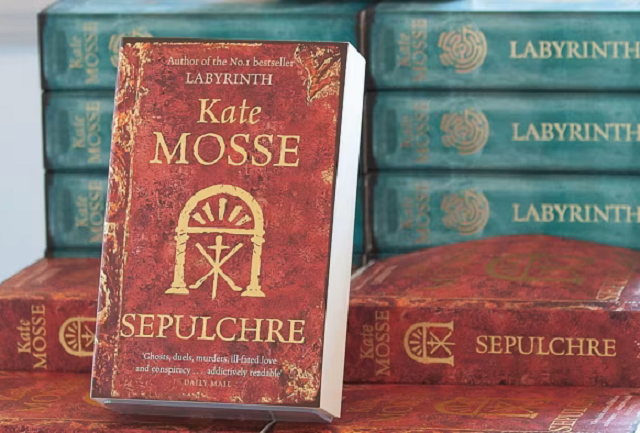
Renowned novelist Kate Mosse has voiced her dismay over the unauthorized use of her literary works by artificial intelligence (AI) models, calling the practice a violation of copyright and creativity. Writing in the Financial Times, Mosse detailed how her historical adventure novel Labyrinth—crafted through years of meticulous research and translated into 38 languages—was among the works scraped by Meta’s large language model without her consent.
“Stealing intellectual property is an assault on creativity and copyright,” Mosse declared, emphasizing the potential harm to the UK’s creative economy. She called on fellow authors to unite in protecting their rights, advocating for robust copyright laws to address the challenges posed by generative AI.
The debate around AI and copyright has intensified in recent months. A report by the Authors’ Licensing and Collecting Society, titled “A Brave New World?”, revealed widespread concern among writers about unauthorized AI scraping. The House of Lords recently debated proposed amendments to the UK’s data access bill, which aims to enforce copyright protections in the era of AI. Creators, including Mosse, criticized government plans requiring authors to “opt out” of AI usage rather than seeking explicit permission, a move they argue undermines centuries-old copyright principles.
Mosse pointed out the economic stakes, highlighting the UK’s creative industries, which generate £108 billion annually and support 84,000 jobs. “Without strong copyright law that ensures creators can earn a living, AI companies will lack the high-quality material essential for their growth,” she argued.
The novelist acknowledged AI’s transformative potential but stressed the need for ethical boundaries. She urged policymakers to strike a balance between innovation and fairness, ensuring that creators remain at the heart of the creative economy.