El Salvador’s lawmakers have voted to overturn a controversial ban on metal mining, signaling a new direction for the country’s economic future despite widespread opposition from environmental and religious groups. The ban, which was introduced in 2017 to protect the country’s water resources, was the first of its kind globally. However, according to a report by the Financial Times, President Nayib Bukele has long criticized the ban, calling it “absurd” and pushing for its repeal in the name of economic growth and foreign investment.
The vote, which saw all 57 members of Bukele’s party and allies in the legislature in favor of overturning the ban, marks a significant shift in the country’s policy. Bukele’s administration now holds exclusive authority over mining activities, and the government has promised that future mining projects will be “modern and sustainable.” While the government assures that environmental concerns will be addressed, critics fear that mining operations could severely impact El Salvador’s already fragile water supply, particularly in the Lempa River watershed, which provides water to a large portion of the population.
The 2017 ban was originally enacted in response to growing fears over the environmental and social consequences of mining. These included potential water contamination from the use of toxic chemicals such as cyanide, which is commonly used in gold extraction. The Catholic Church, a key supporter of the 2017 ban, has publicly urged lawmakers not to overturn the measure, citing the threat to local water resources.
However, Financial Times reports that Bukele has focused much of his presidency on reviving El Salvador’s economy, and he believes the country’s untapped mineral wealth could be crucial to achieving that goal. Bukele has repeatedly claimed that El Salvador is sitting on gold reserves worth up to $3 trillion, though experts have expressed skepticism regarding these estimates. The government has pointed to the El Dorado gold project, one of the most advanced mining prospects in the country, which could yield significant economic returns.
Gold prices have surged to record highs in recent months, with the value of the precious metal surpassing $2,600 per ounce in October, further fueling the government’s push to capitalize on the country’s potential mineral wealth. However, critics of the mining repeal argue that these economic benefits could come at a steep environmental cost. A recent poll found that 59.2% of Salvadorans oppose mining in the country, with only 23% in favor.
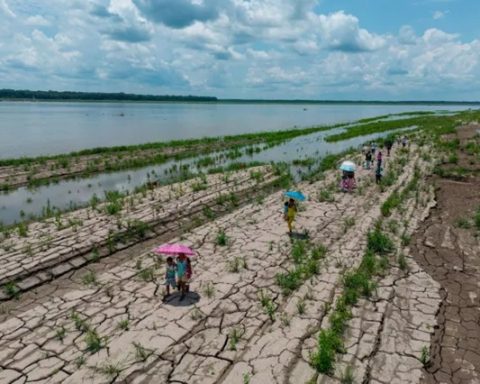
The decision to overturn the ban has raised concerns about the environmental impact of future mining operations, particularly in El Salvador’s northern provinces, which sit atop a rich gold belt. Experts have warned that mining activities could pose a significant threat to water resources, as the Lempa River serves as the country’s main source of drinking water.
In addition to the mining law, Bukele’s government has been working to stabilize the country’s finances. El Salvador recently secured a $1.4 billion loan from the International Monetary Fund (IMF) under an agreement that includes commitments to reduce the national budget deficit and bolster international reserves. Under the terms of the IMF deal, the government also agreed to make Bitcoin adoption voluntary for the private sector, following Bukele’s controversial move to make the cryptocurrency legal tender in 2021.
While Bukele’s administration maintains that mining will be conducted responsibly, critics remain unconvinced, citing the country’s environmental challenges and the potential for long-term ecological damage.