


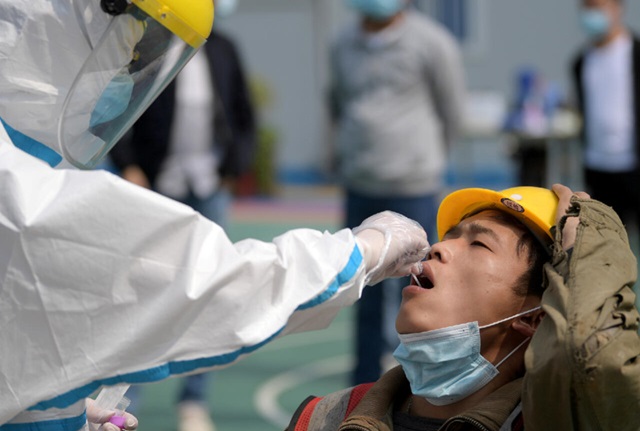
As China faces a surge in respiratory illnesses, the human metapneumovirus (HMPV) is quickly rising to prominence as one of the leading concerns for healthcare authorities. Five years after the outbreak of Covid-19, the country is now grappling with an alarming wave of illnesses, including HMPV, influenza, and Covid-19, that are predominantly affecting children and the elderly.
Reports from various sources, including social media posts, suggest that hospitals are overwhelmed, with disturbing footage showing overcrowded emergency rooms and claims of overwhelmed crematories. Social media users are circulating information that multiple viruses, including influenza A, Mycoplasma pneumoniae, HMPV, and Covid-19, are spreading simultaneously across the country, heightening public concern.
The Current Situation in China
Despite the significant increase in respiratory illnesses, the Chinese government and the World Health Organization (WHO) have yet to issue an official warning or declare a state of emergency. This surge in respiratory diseases is primarily impacting the most vulnerable groups: children with developing immune systems and elderly individuals or those with pre-existing conditions like asthma or chronic obstructive pulmonary disease (COPD). Symptoms of these infections often resemble those of the common cold or flu, including fever, cough, and a runny nose. In more severe cases, patients may experience wheezing, bronchitis, or pneumonia.
Experts have speculated that the rise in these infections is linked to the combination of colder weather and the resumption of normal activities following the Covid-19 pandemic. After years of stringent lockdowns and restricted social interactions, many individuals, particularly children, were not exposed to common respiratory pathogens, leading to a “catch-up” period now that social interactions have returned. This delayed exposure has resulted in a more widespread occurrence of these illnesses.
China’s Response to the Surge
In response to the mounting cases, Chinese health authorities are adopting proactive measures to monitor and control the spread of respiratory illnesses. According to Reuters, a pilot system has been introduced to monitor pneumonia of unknown origin, improving the country’s preparedness for respiratory diseases during the winter months. This effort contrasts with China’s previous struggles during the early stages of the Covid-19 outbreak, underscoring the country’s heightened awareness of the importance of surveillance and data collection.
The National Disease Control and Prevention Administration (NCDPA) has also implemented protocols requiring laboratories to report cases of respiratory infections. Health officials are actively investigating and verifying reports, with official data showing a noticeable uptick in respiratory illnesses for the week of December 16 to 22.
What Is Human Metapneumovirus (HMPV)?
Human metapneumovirus (HMPV) is a viral infection that typically causes symptoms resembling the common cold. It is part of the viral family that includes respiratory syncytial virus (RSV), measles, and mumps. While HMPV primarily leads to upper respiratory infections, it can occasionally result in more severe conditions such as pneumonia, asthma flare-ups, or exacerbate chronic obstructive pulmonary disease (COPD).
HMPV is most prevalent during the winter and early spring months, and children under the age of five are particularly susceptible to infection. It is common for children to contract HMPV before reaching five years old, and although it is possible to get infected more than once, subsequent infections generally cause milder symptoms.












