by Our Diplomatic Affairs Editor
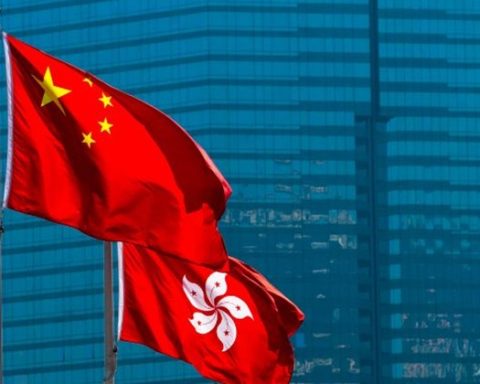
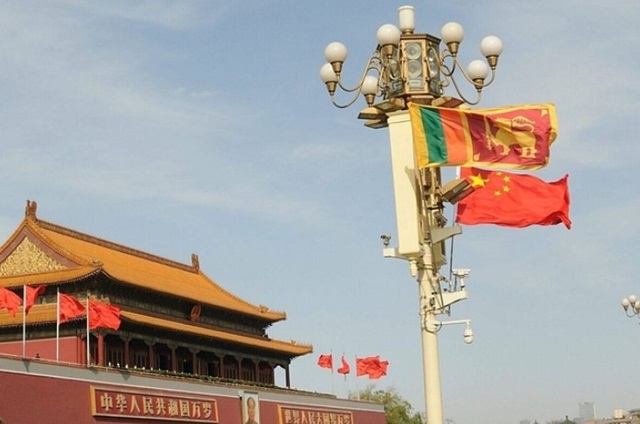
Ahead of President Anura Kumara Dissanayake’s official visit to China on January 14, 2025, the Sri Lankan Cabinet has made several key decisions to further solidify this relationship. One of the major moves was the Cabinet’s reaffirmation of Sri Lanka’s commitment to the “One China Policy,” recognizing Taiwan as an inseparable part of China. This declaration is seen as a gesture to strengthen bilateral ties and align Sri Lanka’s foreign policy more closely with China’s stance on regional and global matters. The reaffirmation of the “One China Policy” signals Sri Lanka’s continued support for China’s territorial integrity, further enhancing diplomatic and economic collaboration.
In line with the strengthening of bilateral ties, the Sri Lankan Cabinet has approved a series of Memorandums of Understanding (MoUs) across various sectors. One notable development is the MoU signed between the Sri Lanka Tourism Promotion Bureau and China Media Group. This agreement aims to leverage cutting-edge technology and expert knowledge sharing, focusing on the promotion of Sri Lanka as a top-tier global tourist destination. Given that China has become one of the largest sources of international tourists, this collaboration is expected to be a major boost for Sri Lanka’s tourism industry, which has faced challenges in recent years.
In the media sector, the Sri Lankan Cabinet also gave its approval for several MoUs between Sri Lankan media organizations and Chinese counterparts. The MoU between Associated Newspapers of Ceylon Limited (ANCL), known as Lakehouse, and Xinhua News Agency is designed to facilitate deeper cooperation in news sharing and media partnerships. Further agreements are set to be signed between Sri Lanka’s Government Information Department and China’s state media agencies, as well as between Sri Lanka Rupavahini Corporation (SLRC) and China Media Group, and between Sri Lanka Broadcasting Corporation (SLBC) and China Media Group. These agreements underscore the expanding collaboration in the media and information sectors, enabling both countries to share content and resources to strengthen public diplomacy and cultural exchange.
In the agricultural domain, the Cabinet has approved an MoU aimed at exporting chicken to China. This MoU will detail Chinese customs protocols, paving the way for Sri Lanka to meet the necessary standards for trade with the Chinese market. Such trade agreements are expected to bolster Sri Lanka’s agricultural exports and create new opportunities for local farmers and producers.
Additionally, the Cabinet recognized the emergency assistance provided by China to support small-scale fishermen in Sri Lanka’s North and East, amounting to 35.7 million Yuan. This financial aid is a testament to China’s ongoing humanitarian support for Sri Lanka, which further strengthens the bonds of friendship between the two nations.
The approval of these MoUs and agreements reflects Sri Lanka’s growing reliance on China as a key partner in both economic and humanitarian spheres. It also highlights the broader strategic goals of Sri Lanka to expand its international ties while fostering closer cooperation with one of the world’s largest economies. The official visit by President Dissanayake is expected to pave the way for even more collaboration between Sri Lanka and China, with the signing of additional agreements that will further solidify their strong and multifaceted relationship.
Sri Lanka’s relationship with China has long been marked by a history of cooperation, rooted in both cultural ties and strategic partnerships. Over the decades, China has been a key ally, with collaborations spanning areas such as trade, infrastructure, and development assistance. In recent years, Sri Lanka has increasingly turned to China for economic support, particularly through investments in infrastructure projects under China’s Belt and Road Initiative (BRI). The partnership has seen China contribute to major infrastructure projects like the construction of the Hambantota Port, the Colombo Port City project, and various roads and highways, solidifying China as a key partner in Sri Lanka’s economic growth. This evolving relationship reflects a broader trend of growing Sino-Sri Lankan ties, which have strengthened politically, economically, and diplomatically.