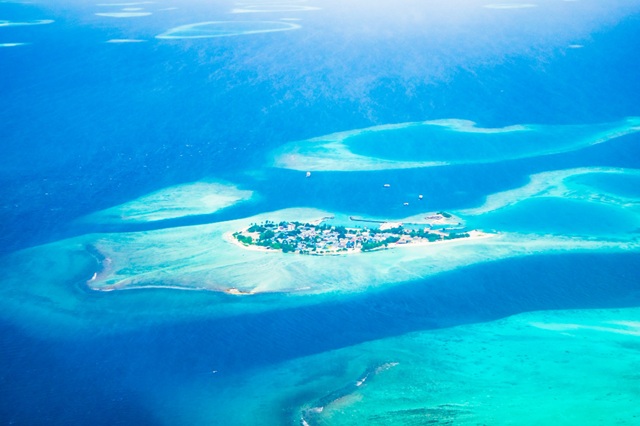
Hydrography, though not a term frequently encountered in the daily discourse of Sri Lankans, holds paramount importance in the safeguarding of the nation’s sovereignty. While the price of rice, coconut, and fuel often dominate public conversations, issues surrounding the ocean, its measurement, and its territorial integrity seldom capture the collective attention they deserve. However, this is a highly critical matter that warrants serious consideration. If Sri Lanka loses control over its maritime domain, the island’s sovereignty—along with the rich resources and geopolitical significance associated with the Indian Ocean—could be irreversibly compromised. The historical moniker “Pearl of the Indian Ocean” may well become a distant memory, lost to foreign encroachment.
India has long pursued various strategies to consolidate its dominance over hydrographic operations in the Indian Ocean, aiming to assert control over the region’s vast maritime expanse. This has included efforts to enter into Memoranda of Understanding (MOUs) with Sri Lanka to enhance its position. In response, local media outlets, such as “Sirasa,” launched programmes to heighten public awareness about the importance of maritime sovereignty, prompting political figures like Wijedasa Rajapaksa to reassure the nation that Sri Lanka would not acquiesce to foreign influence in this regard.
More recently, during the President’s visit to India, the term “Oceanography” garnered significant attention. However, as a concrete definition or clear explanation of the term remains elusive, the concept of hydrography has re-emerged as a point of national interest, potentially leading to confusion among the public. It is imperative that Sri Lankans are made aware of the broader implications of hydrography discussions in India, especially in the context of the President’s upcoming visit to China, where similar maritime issues could be raised.
Sri Lanka has now established the National Hydrographic Office, a crucial institution for safeguarding our maritime interests, and it is always prudent to seek the advice of such agencies when addressing these complex matters. The absence of such an institution in the past raises pertinent questions about the country’s preparedness to defend its sovereignty. Previous reports indicate that the National Aquatic Resources Research and Development Agency (NARA) had been advising the government on hydrography-related matters, including negotiations on maritime agreements with foreign entities. However, the formal establishment of the National Hydrographic Office, passed in Parliament under a Supreme Court ruling, underscores the growing importance of this office in asserting Sri Lanka’s control over its maritime domain.
It is vital that the public remains vigilant on this issue, ensuring that Sri Lanka’s sovereignty over its maritime resources is not undermined. Media institutions must play an active role in keeping the public informed and raising awareness about the complexities of maritime sovereignty. Sri Lanka must stand firm in protecting its rights to its Exclusive Economic Zone (EEZ), which extends 200 nautical miles, and defend its claim over the contested Continental Shelf. Recent tensions with India highlight the necessity for a resolute approach, as neighbouring countries continue to challenge Sri Lanka’s maritime claims.
At present, Sri Lanka lacks a comprehensive and transparent policy regarding maritime affairs, leading to a degree of uncertainty that could undermine our position in future negotiations. Therefore, it is imperative that the government take proactive measures to ensure that our maritime rights and sovereignty are preserved for future generations.
Sri Lanka’s oceanic territory, including its hydrographic data and maritime boundaries, represents a critical national asset. Public awareness, coupled with strategic and assertive governmental action, is essential to safeguard these rights and prevent any external forces from infringing upon them. The integrity of our seas and the resources they harbour must be defended with the utmost diligence, as they form the very foundation of Sri Lanka’s continued prosperity and national security.