


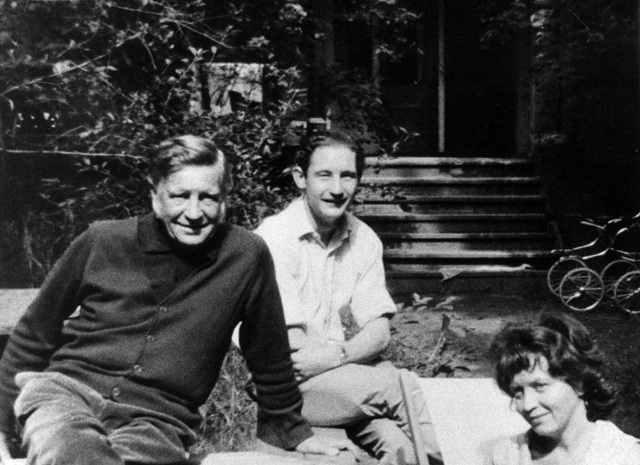
Ben Macintyre’s A Spy Among Friends is a gripping exploration of the life, betrayal, and moral complexities surrounding Kim Philby, one of the most notorious double agents in history. Through meticulous research and compelling narrative, Macintyre delves into the enigmatic personality of Philby, the shadowy world of Cold War espionage, and the devastating betrayals that defined his legacy. The book offers not just an account of Philby’s treachery but also a profound study of friendship, trust, and ideological conviction within the perilous confines of intelligence work.
At its core, the book focuses on Philby’s betrayal of his closest friend and colleague, Nicholas Elliott, who was instrumental in confronting him during the final stages of his exposure as a Soviet mole. This personal dimension of betrayal adds an emotional depth that sets Macintyre’s work apart from a typical historical or espionage account. Through their relationship, Macintyre examines the fragility of trust in an environment where deception is a professional requirement.
The newly declassified MI5 files, which form the backbone of Macintyre’s narrative, shed fresh light on Philby’s espionage activities and his unwavering commitment to the Soviet cause. These documents reveal how Philby, a Cambridge-educated idealist turned KGB operative, infiltrated MI6 and passed critical intelligence to Moscow for over three decades. His duplicity led to untold losses, including the liquidation of defectors like Constantin Volkov and countless covert operatives who were betrayed and executed as a direct result of his actions.
The Volkov incident is a particularly chilling episode recounted in the book. In 1945, Volkov, a KGB officer seeking asylum, provided critical information about Soviet spies within British intelligence, including Philby himself. In a masterstroke of self-preservation, Philby manipulated MI6 to assign him to the case, ensuring Volkov’s capture and execution by the KGB. This act exemplifies Philby’s ruthless commitment to the Soviet cause, even as it put his MI6 colleagues in mortal danger.
Macintyre’s work also draws attention to Philby’s enduring charm and charisma, traits that allowed him to deflect suspicion even as evidence mounted against him. His confession to Elliott in Beirut, secretly recorded and now made public, is a masterclass in manipulative storytelling. Even in the face of overwhelming evidence, Philby interwove truth with lies, exploiting Elliott’s sense of friendship to buy time and arrange his escape to Moscow.
The book also uncovers lesser-known details about Philby’s life, including his ideological motivations and the psychological toll of his duplicity. His KGB handlers, described as “very, very nice fellows” but also ruthless executioners, epitomized the duality of the world Philby inhabited. Despite his ideological alignment, he remained an outsider in Moscow, dying in alcoholic exile—a poignant end for a man who betrayed his country and colleagues.
Macintyre skillfully portrays the broader implications of Philby’s betrayal, including its devastating impact on British and American intelligence relations. His exposure of fellow spies, such as Guy Burgess and Donald Maclean, further strained these alliances and underscored the pervasive reach of Soviet espionage during the Cold War.
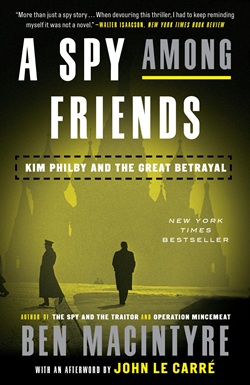
The book also highlights the ethical dilemmas faced by those who hunted Philby. The final confrontation between Elliott and Philby raises unresolved questions: Was Elliott, blinded by friendship, genuinely duped, or did he knowingly allow Philby to escape to Moscow to avoid the embarrassment of a public trial? Macintyre leaves this mystery tantalizingly open, reflecting the opaque nature of intelligence work.
Macintyre’s narrative is enriched by vivid character portraits, historical context, and a fast-paced, novelistic style that makes A Spy Among Friends a page-turner. The integration of archival material, including Philby’s letters and the declassified MI5 files, adds authenticity and depth, providing readers with a comprehensive view of this fascinating chapter in Cold War history.
In conclusion, A Spy Among Friends is an extraordinary account of loyalty, betrayal, and the enduring impact of one man’s treachery. Macintyre not only sheds light on Philby’s espionage but also examines the human cost of his actions, both for those he betrayed and for himself. The book is a must-read for history enthusiasts, espionage aficionados, and anyone seeking a profound exploration of trust and deception in the shadowy world of spies.












Talk about bad news for British Intelligence what with Philby, Blunt and the Queen but it’s hardly surprising given that even Ian Fleming didn’t know what a secret agent really was! Ian Fleming dubbed James Bond a “secret” agent yet simultaneously depicted 007 as an employee on MI6’s payroll. Given Ian Fleming’s background in British naval intelligence in World War 2, that contradictory classification of 007 was about as absurd as calling a Navy Seal a Coastguard as noted in this news article – https://theburlingtonfiles.org/news_2024.09.13.php. If only the Cambridge Five had been able to read Bill Fairclough’s fact based spy thriller, Beyond Enkription in TheBurlingtonFiles series, they may not have been caught!