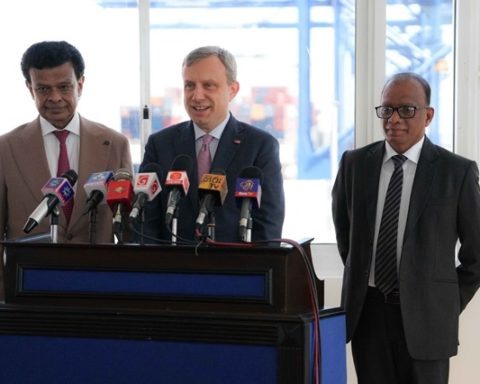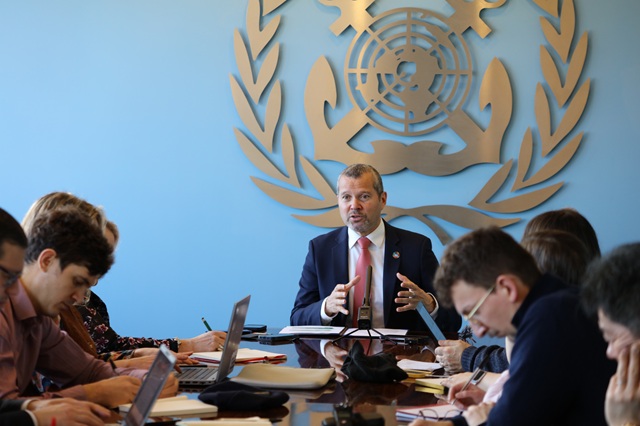
The International Maritime Organization (IMO) has unveiled its agenda for 2025, focusing on significant challenges facing the global maritime sector. Secretary-General Arsenio Dominguez, speaking at a news conference on January 14, stressed the importance of collaboration among the organization’s 176 Member States to address these pressing issues. He highlighted the increasing concerns over the so-called “dark fleet,” which refers to vessels circumventing safety and environmental regulations, avoiding insurance costs, or engaging in illicit activities. Dominguez reaffirmed IMO’s commitment to combating sub-standard shipping, noting that every ship must meet the organization’s standards to operate. While the IMO itself does not impose sanctions, it enforces those established by the UN Security Council and continues to support Member States through technical cooperation and capacity-building initiatives. The matter is set to be further discussed during the IMO’s Legal Committee meeting in March.
Concerns over maritime security in the Red Sea region also remain a critical focus. The IMO has confirmed that at least 69 attacks on international shipping occurred in the area between November 2023 and November 2024. Although no incidents have been reported since November 2024, the lasting effects on the industry and global economy are evident. Efforts are ongoing to secure the release of the MV Galaxy Leader and its 25-person crew, who remain detained following a hostage situation in November 2023. To bolster regional efforts, Dominguez announced plans to open a new IMO Regional Presence Office in Alexandria, Egypt, next week, aimed at coordinating technical assistance and enhancing maritime safety, security, and environmental protection in the region.
Shipping decarbonization remains a top priority for the IMO as the organization continues negotiations on binding regulations to reduce greenhouse gas emissions from ships and achieve net-zero shipping by 2050. These proposed measures include the implementation of a global marine fuel standard and a pricing mechanism for emissions, both of which are expected to be adopted during an extraordinary session of the Maritime Environment Protection Committee in October 2025. Dominguez expressed confidence in the progress being made and reiterated the IMO’s commitment to achieving its climate goals on schedule.
The IMO’s agenda for the year also encompasses other critical topics, including the abandonment and criminalization of seafarers, ocean protection, ship recycling, and enhancing diversity within the maritime sector. Dominguez highlighted the ongoing efforts to tackle these issues, underlining the organization’s role in shaping a safer, more sustainable, and equitable future for global shipping.