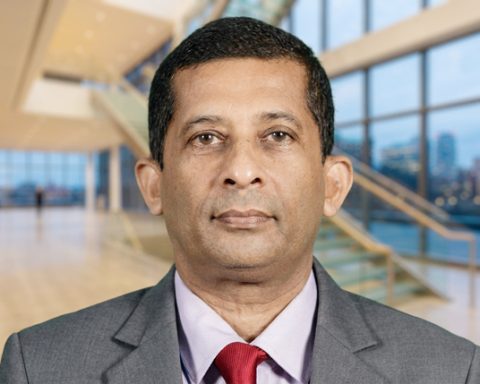
The European Union has faced a sharp rise in energy prices following the disruption of cheap fossil fuel deliveries from Russia, according to European Commission President Ursula von der Leyen. Speaking at the World Economic Forum in Davos, Switzerland, on Tuesday, von der Leyen addressed the significant impact the loss of Russian energy supplies has had on both businesses and households across the EU.
Before the outbreak of the conflict in Ukraine, Russia was a major supplier to the EU, providing 45% of its natural gas, 50% of its coal, and serving as one of the largest sources of oil for the bloc. Von der Leyen noted that while these energy imports were initially inexpensive, they left the EU vulnerable to Russian manipulation and blackmail.
“The energy appeared cheap, but it exposed us to blackmail,” she said, emphasizing the cost of reliance on Russian energy supplies.
Following the escalation of the war in Ukraine in February 2022, Russian President Vladimir Putin made good on threats to reduce energy exports to Europe. Von der Leyen confirmed that EU gas imports from Russia plummeted by 75%, and now the EU imports only 3% of its oil from Russia, with no coal imports at all.
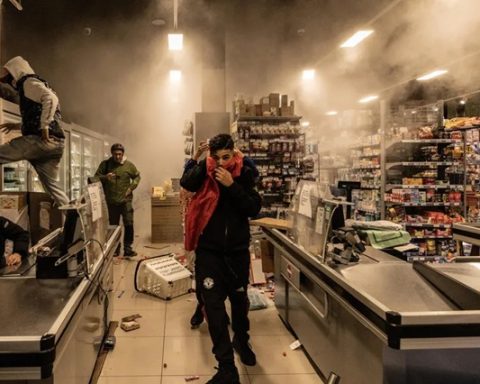
The loss of these supplies, she acknowledged, has exacerbated Europe’s ongoing energy crisis, leading to skyrocketing costs for households and businesses across the continent. “Freedom came at a price,” von der Leyen remarked, highlighting the ongoing financial burden on EU residents, with many still facing high energy bills.
As the EU imposed sweeping sanctions on Russia, targeting its energy, industry, and financial sectors, the bloc experienced immediate disruptions. In 2022, Russia suspended the flow of gas through the Nord Stream 1 pipeline to Germany, citing routine maintenance issues and problems with Western-made equipment due to sanctions. Later that year, both Nord Stream pipelines, which run under the Baltic Sea, were damaged in an act of sabotage. While no group claimed responsibility for the attack, Russia has accused the United States and the United Kingdom, claims both countries have denied.
Looking ahead, von der Leyen pointed to the future of energy security, suggesting that the EU could replace Russian supplies with renewable and nuclear energy sources. She stressed the importance of investing in next-generation clean energy technologies, including fusion energy, enhanced geothermal systems, and solid-state batteries.
However, not all EU members are on board with this shift. Hungary and Slovakia have increasingly called on Brussels to review its sanctions policy and explore diplomatic solutions to the conflict with Russia. On January 1, Ukraine halted the transit of Russian gas through its pipelines to the EU, after deciding not to renew a deal with Russia’s state-owned gas company, Gazprom. In response, Slovak Prime Minister Robert Fico threatened to suspend humanitarian aid to Ukraine and reduce electricity supplies unless the Ukrainian government continued gas transit to Europe.