


The Vatican has issued a strong warning about the potential dangers of artificial intelligence (AI), cautioning that the technology holds “the shadow of evil” and urging governments to take a more proactive role in monitoring its development. In a 13,000-word document titled Antiqua et nova (Ancient and New), the church outlines the far-reaching impacts of AI on human relationships, work, education, and even existence itself. Published with the Pope’s approval on Tuesday, the document comes at a time of growing global concern over the rapid rise of AI technologies, following the release of China’s DeepSeek chatbot, which caused a dramatic decline in the value of American tech companies.
The paper, written by the Vatican’s Dicastery for the Doctrine of the Faith and the Dicastery for Culture and Education, explores the dual nature of AI: its potential to improve lives, as well as the apocalyptic risks it poses if misused. The Vatican’s concern is particularly focused on the societal and ethical implications of AI. Among the most alarming predictions is that AI could lead to increased loneliness, with the technology potentially “enslaving” workers by relegating them to repetitive tasks. Furthermore, the Vatican warns that AI programs designed to mimic human behavior could stunt children’s development, particularly in terms of social skills and emotional intelligence.
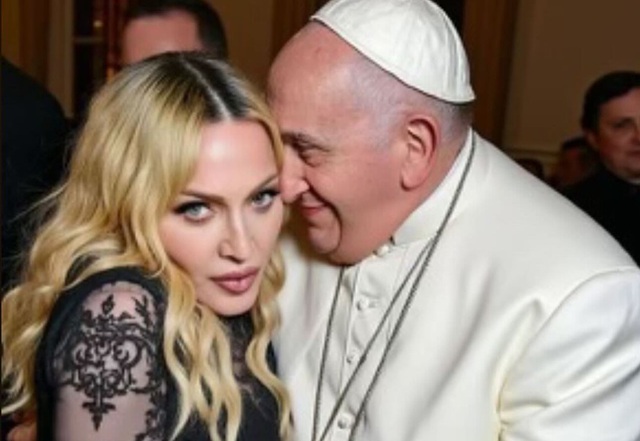
Of particular concern are AI-powered weapons, which the Vatican argues could “threaten the survival of entire regions or even of humanity itself” if left unchecked. The document also highlights the growing threat of AI-generated fake media, such as deepfakes, which could gradually undermine trust and destabilize societal foundations. The Vatican underscores that “the shadow of evil” looms over AI in much the same way that it does in other areas where human decision-making is involved, urging vigilance against the technology’s potential misuse.
In an interview with Vatican News, The Right Rev Paul Tighe, head of the Dicastery for Culture and Education, emphasized that the document represents the collective reflections of various church organizations. He noted that while the church acknowledges AI’s great potential, it also urges careful consideration of the risks associated with its development. “We want to welcome something that has great potential for human beings, and at the same time be attentive to the possible downsides,” Tighe stated.
The Vatican’s warning follows a period of heightened anxiety surrounding AI. On Monday, the DeepSeek R1 model became the most popular free app in Apple’s British and American app stores, raising alarms among investors and sparking turmoil in financial markets. Father Paolo Benanti, a Franciscan friar and technology expert who has advised Pope Francis on AI, explained that the church is still reflecting on how best to adapt to the rapid rise of AI but is not yet prepared to issue formal guidelines on the matter. Benanti drew parallels between the current situation and the industrial revolution, when the church questioned the quality of workers’ lives amid the rise of machine-driven production.
Pope Francis has previously warned about the risks of AI, particularly its role in exacerbating the “growing crisis of truth” and raising “critical concerns” about humanity’s future. In his address to world leaders at the World Economic Forum in Davos last week, he cautioned that the technology could lead to a “crisis of truth” and disrupt the foundations of society. Furthermore, in a June address to the G7 leaders in Puglia, the Pope called AI an “epochal transformation” that could reshape the course of human history. The Vatican’s latest document reinforces these concerns, urging global leaders to carefully consider the broader consequences of AI’s integration into everyday life.









