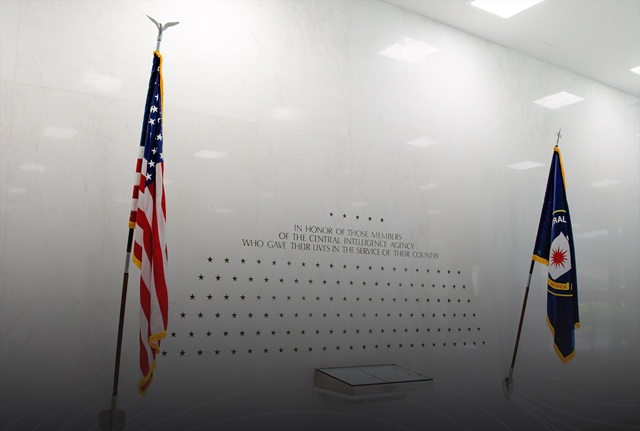
A group of 200 former CIA officers has ignited a firestorm of controversy with a bold protest against what they perceive as an unjust attack on their careers. These veterans, part of a faction calling themselves “The Steady State,” are fighting to retain their full pay and benefits after being asked to resign from the Agency. Their grievance? They believe that the agency’s request for them to leave, while still enjoying eight months of full compensation, represents an affront to their professional integrity and national security interests.
The retirees, who hold long histories in the intelligence community, have escalated their demands to the halls of Congress, calling for an investigation into the apparent rationale behind the request to step down. While the precise timing of these resignations remains shrouded in ambiguity, their protest reflects an underlying tension within the intelligence world—one that appears to be both political and personal.
A Battle of Bureaucratic Loyalties
At the heart of the dispute is a powerful claim about “political loyalty hiring,” with the veterans warning that such actions could undermine the objectivity and efficacy of the US intelligence community. The ex-CIA officers argue that asking them to resign while ensuring they continue receiving their full salary and benefits for months is an attack on their credibility and a potential threat to national security. According to the group, this could set a precedent for political loyalty to trump professional expertise, further blurring the lines between impartial intelligence work and political agendas.
What strikes many as ironic is the claim that the CIA—historically seen as a pillar of neutrality and professional expertise in the service of the American state—would engage in this kind of behaviour. The veterans argue that such moves could destabilise the agency’s capacity to operate effectively against global adversaries, including China, Russia, and Iran. Their message to Congress is clear: removing veterans, who have dedicated their lives to intelligence, under the guise of political considerations could compromise America’s ability to confront its foes.
For a group who has spent decades in the murky world of international intelligence gathering, it’s no surprise that these veterans are fiercely protective of the agency’s image. Their protests are based on the belief that CIA neutrality has been crucial in safeguarding national security. They argue that having former agents on the payroll—even as they exit their posts—doesn’t weaken the CIA’s posture but allows for greater continuity and readiness.
An Uncertain Timeline and a Defiant Stance
The exact timing of these resignations is uncertain. Whether the veteran group’s grievances stem from actions taken before or after former President Trump’s tenure remains unclear, but the broader political context seems to be a factor. Trump’s administration was infamous for shaking up the intelligence apparatus, leaving deep fractures in the longstanding structures of the CIA. The notion of a “deep state”—a term frequently used by Trump’s supporters to describe alleged entrenched bureaucratic resistance within the government—was a frequent point of contention throughout his presidency. Whether these protests are an echo of that divisive period or a product of broader internal agency struggles remains up for debate.
What is certain, however, is that the veterans of “The Steady State” are not ready to quietly exit the scene. Instead, they have adopted a stance of defiance, making it clear that they are not willing to leave without a fight—or their paychecks. With their demands now making waves in Congress, the veterans are asserting their belief that the CIA’s move to push them out is not only politically motivated but could have far-reaching consequences on the agency’s ability to function.
The Bureaucratic Backlash: A Growing Divide
As the standoff continues, it becomes evident that this is not just a simple case of disgruntled employees seeking to maintain their financial benefits. It is a stark reminder of the bureaucratic complexities within the intelligence community and the degree to which political dynamics can bleed into national security matters. The tension between ensuring political loyalty and maintaining professional impartiality within agencies like the CIA has long been a point of contention. The “Steady State” veterans’ protests suggest that the political divide in the US—particularly surrounding the intelligence community—has reached a critical juncture.
This battle is emblematic of the larger struggles over the role of intelligence agencies in an increasingly polarized political climate. As these veterans make their voices heard, one can’t help but wonder: will the CIA ultimately acquiesce to their demands, or will this rift signal a broader shift in the way intelligence is conducted in America, with loyalty to political ideology becoming as important as loyalty to the state?
For now, the former CIA officers stand firm, demanding both respect for their professional contributions and clarity on the agency’s motivations behind their requested resignation. As they fight to preserve their pay and their positions, their protest underscores the growing intersection between politics and intelligence—a theme that is increasingly hard to ignore in today’s divided political landscape. The veterans of “The Steady State” have raised a fundamental question that won’t be answered easily: What does loyalty mean when it is tied to the shifting tides of political influence?