


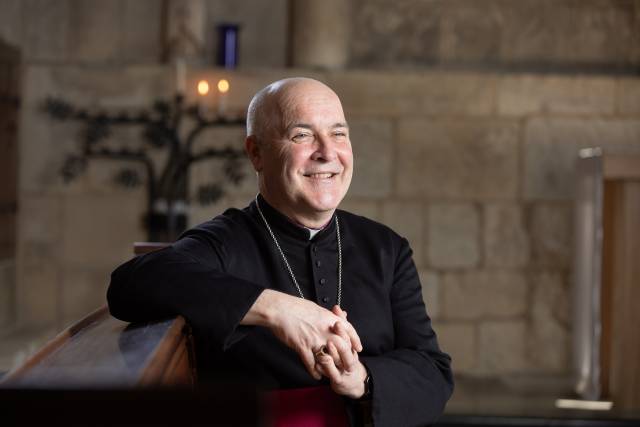
The Church of England’s General Synod was shaken on Monday by a failed attempt to prevent Archbishop of York, the Most Rev. Stephen Cottrell, from addressing the church’s parliament. In a dramatic move, a fifth of Synod members voted to block Cottrell’s speech due to his handling of abuse allegations, but the motion was unsuccessful. Seventy-three of the 355 members, either present in person or participating online, supported the call to deny Cottrell a platform, while 43 abstained. Despite the strong opposition, the vote fell short of the necessary two-thirds majority, with 239 members, or 67%, voting against the motion. The contentious vote was covered by The Times, UK.
Cottrell’s address, which took place following the resignation of Justin Welby as Archbishop of Canterbury due to a safeguarding scandal, acknowledged the deep divisions and trust issues facing the Church. He opened his speech by admitting that “trust has been broken and confidence damaged,” expressing deep regret for the pain caused to abuse victims. He also took responsibility for the mistakes made in the past, emphasizing that he was committed to leading change. “I am determined to do what I can to work with others… to lead the change we all know we need,” he said.
However, his leadership remains under fire. The Right Rev. Helen-Ann Hartley, Bishop of Newcastle, has been outspoken in her belief that Cottrell should resign, accusing him of failing to act decisively in response to abuse allegations, particularly regarding the Rev. David Tudor, a priest accused of abuse. Hartley, who was instrumental in forcing Welby to resign over the case of child abuser John Smyth, described Cottrell’s actions as “abhorrent” and argued that his continued leadership was untenable.
Despite these mounting pressures, Cottrell stood by his decision to remain in office, acknowledging the Church’s mistakes but stressing the need for unity in moving forward. He expressed his strong support for reforms, including creating an independent body to handle abuse cases, and argued that external oversight could help restore confidence in the Church’s safeguarding efforts.
The debate continues to divide the Church, with some urging for immediate leadership change and others supporting Cottrell’s call for internal reform. The synod also voted to stop referring to abuse cases as “historic,” recognizing that the ongoing effects on victims continue to impact their lives. These discussions reflect the Church’s broader reckoning with its past and the urgent need for a comprehensive overhaul of its safeguarding practices.









