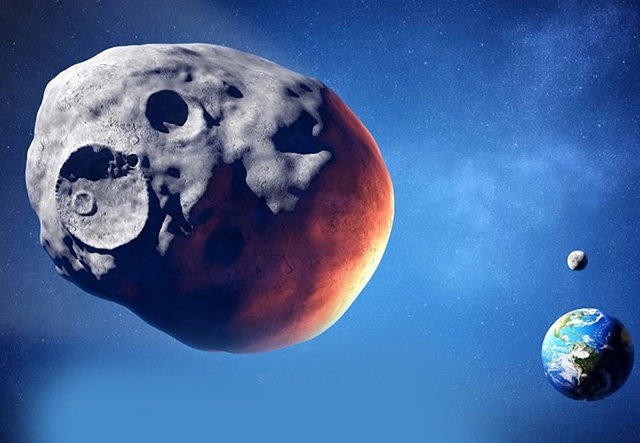
The possibility of an asteroid collision with Earth has always lingered as a distant yet terrifying threat. While the most recent scare over asteroid 2024 YR4 made headlines with concerns about its trajectory and potential impact, experts, including Richard P. Binzel, the inventor of the Torino scale, emphasize that the real shift is not the actual risk, but our increasing ability to detect these space rocks. As Binzel tells The Independent, the real challenge is not just identifying asteroids but tracking them long enough to understand their movements, which remains a daunting task for astronomers.
While the panic surrounding 2024 YR4 has largely dissipated, with its chances of impact now reduced to nearly zero, the rise in asteroid detection capabilities means that more objects are being discovered—and with them, new worries. According to Binzel, the technology available today is far more advanced than in previous decades, allowing us to spot smaller objects further out in space, though tracking them for extended periods remains a limitation. This growing visibility into potential hazards could mean an increase in public anxiety about asteroid impacts, despite the actual threat often remaining small.
One of the most significant advancements in asteroid tracking is the upcoming launch of NASA’s NEO Surveyor space telescope in 2027, which will be specifically designed to detect potentially hazardous asteroids. As more objects are identified, the public will likely face a new era of concern. While many of these asteroids may present no threat, the increasing awareness can lead to heightened anxiety.
Binzel likens this new phase of asteroid detection to the way Californians monitor earthquake activity on the Richter scale—something that, while it may induce worry, also provides a sense of preparedness and understanding of the risks. While our awareness of asteroids could fuel more concerns, it could also lead to better, more informed responses if and when a true threat arises.