The United States has recorded 4,410 confirmed measles cases in 2026, more than double the total reported throughout 2025 and the highest level of transmission since 1991, according to the Centers for Disease Control and Prevention (CDC). As of 15 October, infections had been reported across 45 states and Washington, DC, with 451 patients hospitalised, representing approximately 10% of confirmed cases.
Pennsylvania has emerged as the hardest-hit state, recording 1,260 cases across 43 counties, alongside 238 hospitalisations and five measles-related deaths, according to the Pennsylvania Department of Health. The state reported just 106 cases in 2025, meaning infections have increased more than tenfold. South Carolina has recorded the second-highest total, with 670 cases and 67 hospitalisations, followed by Utah with 535 cases and 53 hospitalisations. Neither state has reported a confirmed death.
Wisconsin has registered 256 cases and 25 hospitalisations, while Texas has reported 192 cases and 19 hospitalisations. New York has recorded 103 cases across the state and New York City, with 10 hospitalisations and no reported deaths.
The CDC said children and adolescents aged five to 19 accounted for 42% of infections, or 1,856 cases. Adults over 20 represented approximately 40% of cases, while children under five accounted for about 17%. Overall, 96% of patients had no documented record of measles, mumps and rubella (MMR) vaccination, according to the agency.
In response, the CDC has deployed specialists from its Epidemic Intelligence Service to support contact tracing, containment measures and local public-health responses in the most affected areas. Health officials are urging people in outbreak zones to ensure they have received both recommended doses of the MMR vaccine, which is considered highly effective in preventing measles.
The virus spreads through the air when an infected person coughs, sneezes or breathes, and can remain infectious in the air or on surfaces for up to two hours after that person leaves. An infected individual can transmit measles to as many as 12 to 18 people who lack immunity.
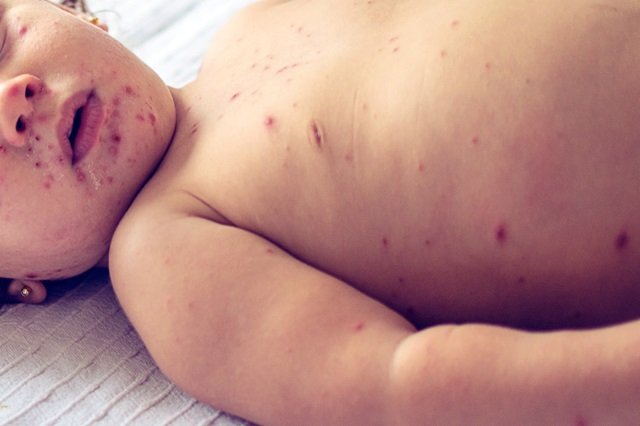
Symptoms typically begin with fever, cough, a runny nose, red eyes and a sore throat, followed several days later by a rash that starts on the face and spreads across the body. Complications can include pneumonia, encephalitis, diarrhoea, ear infections and long-term neurological damage. Young children, pregnant women and people with weakened immune systems face the greatest risks.
The resurgence has been linked to declining vaccination coverage and the accumulation of susceptible people in communities across the country. The United States declared measles eliminated in 2000 after sustained reductions in domestic transmission, an achievement that depended on high vaccination coverage, surveillance and rapid responses to imported infections.
The number of non-medical school vaccination exemptions has increased in recent years, while some families have refused immunisation because of religious beliefs, personal objections or distrust of public-health institutions. Anti-vaccine groups have also circulated false claims linking the MMR vaccine to autism, despite scientific studies finding no credible evidence supporting the association.
Health experts say at least 95% of a community must be immune to prevent sustained measles transmission. The CDC reported that 18 cases this year involved international visitors to the United States, illustrating how imported infections can trigger local outbreaks where immunity is insufficient.
Continued transmission could also threaten the country’s measles-elimination status. If transmission persists for more than 12 consecutive months, the United States could lose the designation it achieved in 2000.
The Pan American Health Organization (PAHO) has warned that the risk of measles transmission across the Americas is very high. As of epidemiological week 28, countries and territories across the region had reported 47,459 confirmed cases, the highest number in 22 years, according to the organisation. PAHO has called for stronger routine vaccination, improved surveillance and rapid responses to suspected infections, citing low coverage, accumulated immunity gaps and increased population mobility as factors contributing to the regional spread.