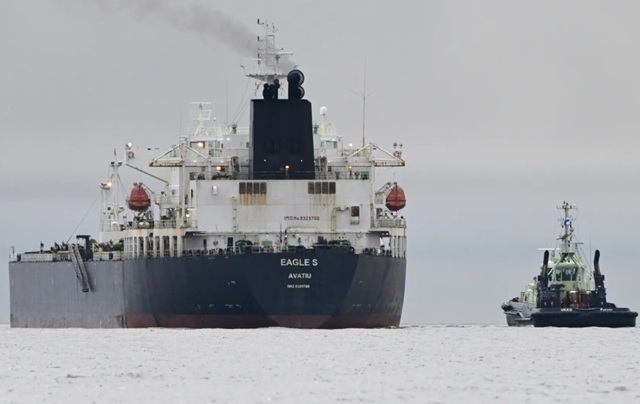
Finland has lifted the arrest of the oil tanker Eagle S, which had been seized in late December following accusations that it damaged the Estlink 2 power cable connecting Estonia and Finland. The vessel was suspected of dragging its anchor across the critical underwater infrastructure, sparking concerns about potential foreign sabotage.
Initially, Finnish President Alexander Stubb suggested that the incident was “definitely” linked to Russia, fueling geopolitical tensions in the region. However, subsequent NATO intelligence assessments found “no indication” that the commercial vessel had intentionally caused the damage or acted under Moscow’s direction.
The Eagle S had been held as part of an investigation into the Baltic Sea incident, which raised alarm over the vulnerability of vital energy and communication links in Northern Europe. Finland, along with its Baltic and NATO allies, has been on high alert for threats to critical infrastructure, particularly as regional tensions with Russia remain high following the war in Ukraine.
With no evidence of deliberate wrongdoing, Finnish authorities have now allowed the tanker to resume operations. The case highlights the growing sensitivity around underwater infrastructure security but also demonstrates the risk of premature geopolitical accusations in an already tense security environment.