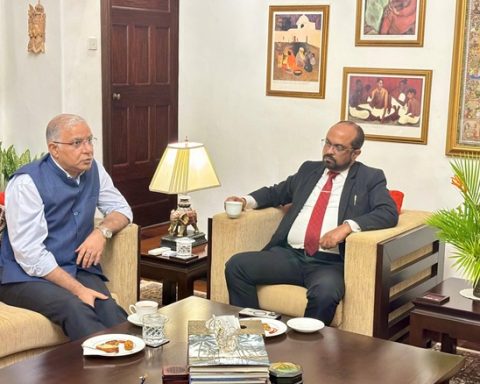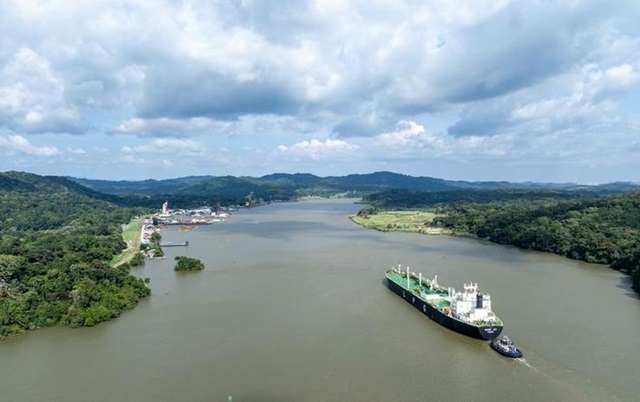
In a diplomatic effort to deepen relations, a high-level delegation from the Communist Party of China (CPC), led by Ma Hui, Vice Minister of the International Department of the CPC Central Committee, visited Panama from Friday to Saturday. During the visit, Ma met with leaders of major political parties and scholars from Panamanian think tanks, emphasizing China’s commitment to fostering stronger ties with Panama. According to CCTV News, Ma expressed China’s willingness to strengthen exchanges with Panamanian political entities and think tanks to deepen mutual understanding and trust, paving the way for continued cooperation and the sustained development of China-Panama relations.
Meanwhile, Panama’s response was equally positive, with the Panamanian side expressing its commitment to strengthening bilateral ties, particularly focusing on enhancing cooperation and building consensus for long-term mutual development. This diplomatic engagement comes at a time when the economic and geopolitical landscape surrounding the Panama Canal is under intense scrutiny, particularly in light of a recent controversial sale involving one of the Canal’s major port operators.
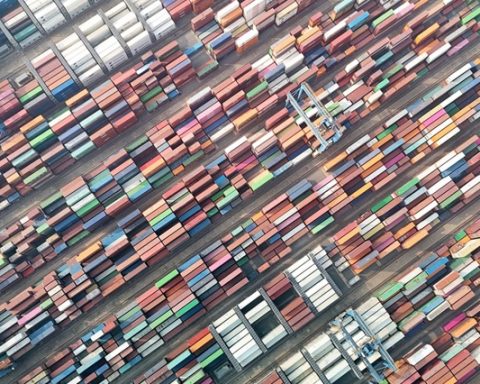
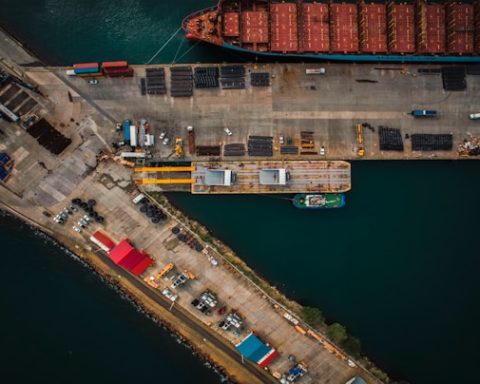
In another development, two government-backed Chinese agencies in Hong Kong, the Hong Kong and Macao Affairs Office of the State Council and the Liaison Office of the Central People’s Government, reposted critical opinion pieces about the recent sale of Panama Canal ports by CK Hutchison Holdings, a conglomerate controlled by Hong Kong billionaire Li Ka-shing. The sale, which involves 43 ports, including key assets at the Panama Canal, to a consortium led by US asset manager BlackRock, has raised alarm in China.
The pieces, published by the Hong Kong-based newspaper Ta Kung Pao, accuse CK Hutchison of placing commercial interests above national security. The first opinion piece, published on Saturday, questioned the wisdom of transferring such strategic assets to US-led forces, asking if the deal truly considered the long-term interests of China. It warned of the potential harm this sale could cause, framing it as a commercial act cloaked in power politics, particularly given the heightened US pressure on the region. The second article, published earlier, described the deal as an act of US hegemonism, using national power to secure global strategic assets through coercion and inducements.
The articles also express concerns over national security risks, citing the sensitive nature of port operations and the data they handle, which could be exploited if controlled by foreign entities. The Hong Kong government’s reposting of the articles indicates the Chinese government’s deep concern over the transaction’s geopolitical implications. Shares in CK Hutchison fell sharply following the reports, reflecting the market’s response to the growing scrutiny of the deal.
In response to media inquiries, the Chinese Foreign Ministry refrained from commenting directly on the transaction but reiterated its support for Chinese companies operating overseas, including those from Hong Kong. The Ministry stressed the importance of a fair and just business environment and opposed any use of coercion or pressure in international trade relations.
Despite the objections, CK Hutchison has confirmed its decision to negotiate exclusively with the BlackRock-led consortium, though the deal has yet to be finalized. The transaction, valued at $22.8 billion, includes ports in 23 countries, with the Panama Canal ports standing out as particularly strategic due to their significance in global maritime trade.
The deal has sparked significant debate on Chinese social media, where users have expressed their concerns about the potential negative consequences for China’s Belt and Road Initiative, as well as the broader geopolitical fallout. Experts warn that the transaction could undermine China’s maritime interests, particularly if it leads to higher taxes for Chinese vessels at US ports or limits access to key global shipping routes.
Willy Fu, a law professor and director at the Chinese Association of Hong Kong & Macao Studies, highlighted the national security risks associated with the sale of such critical infrastructure to foreign entities. The ports, he noted, handle vital logistics and operational data, raising concerns over potential security breaches and data leaks. This transaction serves as a reminder that, in today’s interconnected world, corporate deals cannot be seen in isolation but must also be understood within the larger context of national security and geopolitical strategy.
As the sale process continues, it’s clear that the global competition for control over key infrastructure such as the Panama Canal will remain a focal point in US-China relations. The stakes are high, with both economic and national security implications for China, the United States, and Panama.