The illicit oil trade in Libya, fueled by heavily subsidized fuels being smuggled abroad, is sustaining the country’s rival political factions. The practice has created a steady revenue stream for armed groups, further entrenching divisions and undermining UN efforts to stabilize Libya.
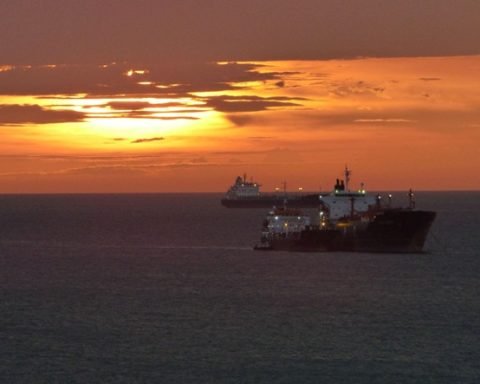
In March 2024, the oil tanker Mardi disappeared from vessel tracking databases, reappearing a month later north of Libya. Identified by a UN panel, it made 14 visits to Benghazi’s old harbor and smuggled over 13,000 tonnes of diesel between March 2022 and October 2024, violating UN sanctions. The ship’s ownership remains undisclosed by the International Maritime Organization.
The smuggling is enabled by a barter scheme in which Libya swaps crude oil for refined fuels instead of purchasing them outright. These fuels, sold domestically at subsidized prices, are then smuggled and sold on the black market or with falsified documentation. The resulting funds empower rival factions—the UN-recognized government of Abdul Hamid Dbeibeh in Tripoli and the rival administration led by Field Marshal Khalifa Haftar and the Libyan Arab Armed Forces (LAAF).
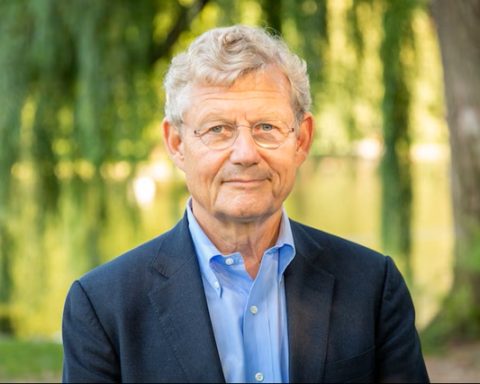
This illicit economy has stymied UN efforts to unify Libya, with revenues reinforcing opposing administrations and their armed supporters. According to Tim Eaton of Chatham House, this arrangement provides financial stability to warring factions, preventing meaningful political change.
Despite frequent fuel shortages in many regions, Libya’s leaders have allowed the barter program to persist. However, mounting international and domestic pressure has led the attorney-general, Sideeg al-Sour, to order an end to the scheme following an investigation by Libya’s Audit Bureau.
The scheme’s discontinuation may not end the misuse of Libya’s oil wealth. The emergence of Arkenu, a private company exporting crude oil in violation of Libya’s National Oil Corporation (NOC) monopoly, suggests new avenues for exploitation. The UN links Arkenu to armed groups in eastern Libya, with exports allegedly benefiting Saddam Haftar, son of Khalifa Haftar.
Since Gaddafi’s 2011 overthrow, the UN has sought to prevent the misappropriation of Libya’s oil revenue, mandating that all oil exports go through the NOC with proceeds deposited in the Central Bank. However, rival factions have coexisted by sharing the profits of fuel smuggling, effectively prolonging the country’s division.
The UN’s recent report identified 185 illicit diesel exports from Benghazi’s old harbor since March 2022, totaling 1.125 million tonnes. It also implicated the General Electric Company of Libya in supplying smuggled diesel. The World Bank estimates Libya loses over $5 billion annually due to fuel smuggling, a figure exacerbated by increased demand following Russia’s exclusion from European fuel markets.
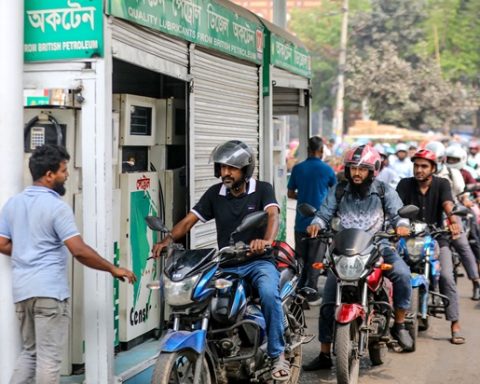
Libya’s subsidized fuel system, costing $12.5 billion annually, incentivizes smuggling. With petrol and diesel sold at a fraction of their production costs, black market operators reap enormous profits. Import volumes nearly doubled from 5.5 million tonnes in 2020 to 10.35 million tonnes in 2024, raising concerns over the legitimacy of such increases in demand.
An unpublished Audit Bureau report revealed that the swap scheme’s fuel imports in 2023 were valued at $8.5 billion, with over $8 billion in crude oil exported as payment. The trade was dominated by eight newly established companies, mostly registered in the UAE, lacking a significant history in the global oil industry. One of the largest participants, BGN, denied allegations of irregularities, asserting compliance with all regulations.
The scheme’s termination, mandated by the attorney-general in early 2025, signals a shift towards greater transparency. However, Libyan experts remain skeptical that the end of barter trading will halt illicit revenue streams. Arkenu’s recent emergence suggests direct crude sales may replace fuel smuggling as the primary method of diverting Libya’s oil wealth for private gain.
A Western diplomat familiar with Libya’s situation remarked, “First, it was small smuggling, then big smuggling, then increased fuel quantities. Now, it’s direct crude oil exports.”