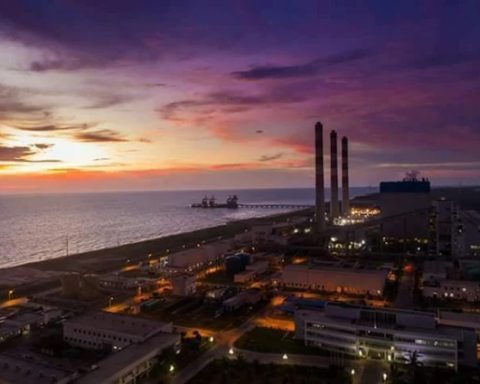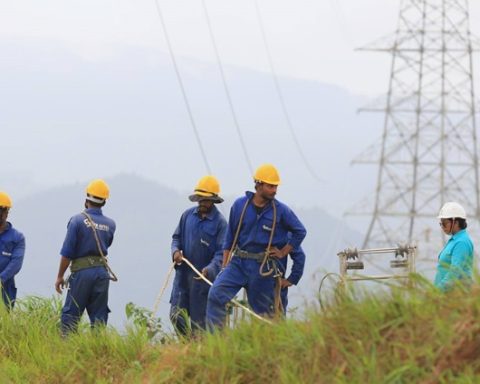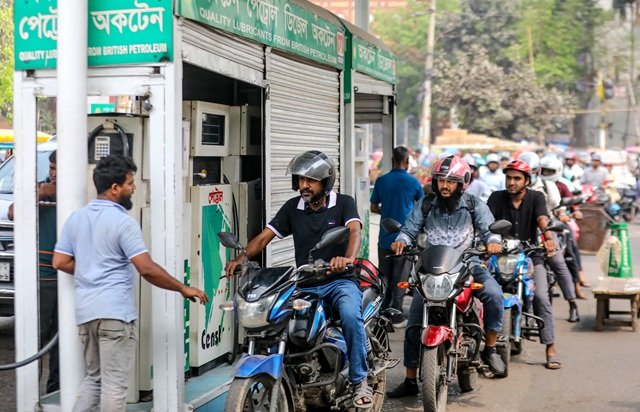
Bangladesh’s worsening energy crisis has given India an unexpected opportunity to repair strained relations with its neighbour, after Dhaka requested additional diesel supplies as power shortages forced shops, malls and markets to close by 8pm local time.
India confirmed on Friday that it was examining the request, potentially creating a new channel for cooperation between the two countries following Sheikh Hasina’s ousting in 2024. Relations have remained difficult since Hasina moved to India and Bangladesh repeatedly requested her extradition.
“We have an ongoing arrangement with Bangladesh for supply of diesel. This continues,” Randhir Jaiswal, India’s foreign ministry spokesman, told reporters.
He said the additional request would be examined in light of India’s own requirements, refining capacity and domestic availability of diesel.
Under a 15-year agreement, India supplies Bangladesh with 180,000 tonnes of diesel annually through the India-Bangladesh Friendship pipeline, which has operated since 2017. India also increased diesel supplies to Bangladesh in March and April amid disruptions caused by the Middle East war.
Bangladesh’s latest request comes as limited gas supplies have contributed to a power crunch, with the national grid struggling during peak hours in recent months, according to media reports. Hospitals, pharmacies and restaurants were exempted from the restrictions imposed to conserve electricity.
The energy issue could provide an opportunity for both governments to rebuild trust after relations deteriorated under the interim administration headed by Muhammad Yunus following Hasina’s ousting.
There have been signs of renewed engagement since Tarique Rahman became prime minister following his electoral victory in February. India appointed former minister Dinesh Trivedi as its ambassador to Dhaka in June, while a four-member Indian security delegation visited the Bangladeshi capital earlier in August.
Foreign Minister Subrahmanyam Jaishankar met his Bangladeshi counterpart Khalilur Rahman in Delhi in April, marking the most senior visit by a Dhaka envoy since the 2024 revolution. Bangladeshi intelligence and defence officials also visited Delhi in March and July.
Travel restrictions have eased as well. Bangladesh restored all visa categories for Indian visitors in February, while India reopened tourist visa applications for Bangladeshi nationals in June.
Yet the political dispute over Hasina remains a major obstacle. Tensions rose after the former prime minister called for the ban on her Awami League party to be lifted during a virtual media conference held in Delhi on August 5. The 78-year-old was sentenced to death in November after a Bangladeshi tribunal found her guilty of crimes against humanity.
India has invited Rahman to attend the Brics summit in Delhi on September 12 and 13. Dhaka, however, said on Sunday that he would not visit India until Delhi extradited Hasina.
The dispute is unfolding alongside concerns in New Delhi over Bangladesh’s growing engagement with Pakistan and China. According to media reports, Dhaka is considering buying JF-17 Thunder fighter jets, co-developed by China and Pakistan, from Islamabad. India is also concerned about a pact under which China will develop an economic zone near Mongla Port, close to India’s east coast.
Despite these tensions, M.J. Akbar, a former Indian external affairs minister and veteran journalist, said India’s assistance during Bangladesh’s energy crisis could help preserve normal relations.
“Those searching for disruption will always find a reason, but it must be contained or it will splinter normalcy and sabotage progress,” Akbar said.
He added that Rahman’s election had raised hopes of restoring the formerly close relationship between the neighbours.
“There was legitimate hope that a return of democracy this year would restore good bilateral vibes,” Akbar said, describing Trivedi’s appointment as a positive step. “It would be unfortunate if such hopes were vitiated.”
Srinivasan Balakrishnan, director at Delhi-based security think tank Indic Researchers Forum, urged India to provide further assistance.
“New Delhi can and should explore more support, because stable neighbours mean a stronger South Asia,” Balakrishnan said.
Priyajit Debsarkar, a London-based author, described the India-Bangladesh Friendship pipeline as an important instrument for improving relations, arguing that renewed Indian assistance would reinforce Delhi’s reputation as a reliable regional partner.
Yashwant Deshmukh, an independent political commentator, said Bangladesh would ultimately need India despite their differences.
“Eventually, they have to deal with India. If there is an electricity crisis, can Pakistan help Bangladesh?” he said.