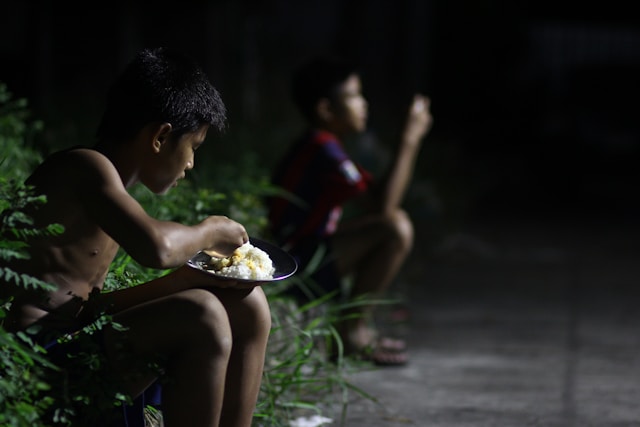
The significant reductions in international aid, particularly from the US Agency for International Development (USAID) and other Western donor nations, including the UK, France, Netherlands, and Belgium, could severely reverse progress made in tackling global malnutrition. Cuts to aid budgets, which are expected to reach up to 44% over the next 3-5 years, threaten to destabilize public health, hinder economic growth, and lead to countless deaths. These reductions will impact the fight against severe acute malnutrition (SAM), a condition responsible for up to 20% of child deaths worldwide. Each year, 13.7 million children suffer from SAM, and if untreated, up to 60% of these children die.
Many proven programs aimed at combating severe malnutrition, such as community-based management initiatives, have shown success in significantly reducing mortality rates. However, the withdrawal of donor support is jeopardizing access to life-saving treatments. In countries like Nigeria, Sudan, and Ethiopia, vital nutrition programs are being shut down or facing shortages of necessary resources, like therapeutic food supplies. The loss of US-funded programs alone is estimated to cut treatment access for 2.3 million children, causing 369,000 additional child deaths each year.
This aid cutback is especially concerning because it undermines the global nutrition infrastructure, including critical data-gathering systems and early warning networks. Malnutrition funding reductions threaten a vast array of support programs, including those in health, agriculture, school feeding, and sanitation, further exacerbating the global crisis.
The long-term effects of malnutrition are equally alarming. Children suffering from malnutrition not only face higher mortality rates but also experience stunted growth and cognitive impairments, leading to reduced educational achievements, poorer economic productivity, and increased healthcare costs. Malnutrition can reduce a country’s GDP by up to 16%, which hampers development and prosperity in the affected regions.
The solution to this growing crisis requires immediate action, including the restoration of life-saving nutrition interventions, enhanced support for local governments, and innovative financing for nutrition programs. Investment in these areas would not only save lives but also lead to substantial long-term economic and human capital benefits.