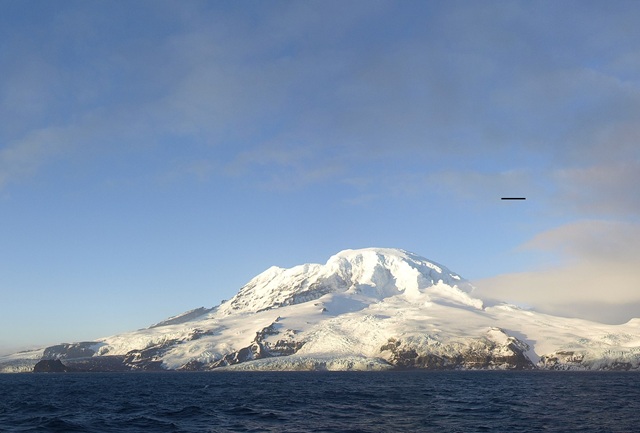
In a move that has sparked confusion and laughter across the global community, US President Donald Trump recently imposed a 10% tariff on imports from the world’s most remote and uninhabited islands—Heard Island and the McDonald Islands, located in the southern Indian Ocean. While many have questioned the logic behind the decision, there’s more to this seemingly bizarre tariff than meets the eye.
According to The Guardian, despite the islands being uninhabited and lacking any buildings or infrastructure, the US imported $1.4 million (A$2.23 million) worth of goods from these isolated islands in 2022 alone. The bulk of these imports consisted of “machinery and electrical” products, which have raised eyebrows given the lack of human presence on the islands.
Over the past five years, US imports from Heard and McDonald Islands have ranged significantly, from as little as $15,000 to as much as $325,000 annually. While the trade volumes seem small in comparison to global commerce, the peculiar nature of the islands’ exports—ranging from consumer goods to vegetables—adds a layer of mystery to the situation.
The US decision to impose tariffs on this seemingly inconsequential trade has puzzled many, but it highlights the broader context of Trump’s aggressive tariff policies, aimed at reshaping global trade dynamics. While the islands’ exports are minimal, the focus on such a remote location may reflect the administration’s strategy to use tariffs as leverage in a broader economic negotiation with trading partners.