
As geopolitical tensions continue to rise, major world powers are ramping up their military infrastructure with new facilities that could significantly reshape the global balance of power. From the Pacific to Africa, these developments reflect growing strategic ambitions — and rivalries — among key nations.
Russia is pushing ahead with the construction of a new military base in Sudan, located strategically along the Red Sea. The Sudanese Foreign Ministry confirmed the project, which analysts say will give Moscow a stronger foothold in Africa and access to vital global shipping routes. The base could also deepen Russia’s influence in a region increasingly contested by outside powers.
In the Pacific, the United States is expanding its Andersen Air Force Base on Guam, a move aimed squarely at countering threats from China and North Korea. The upgrades include facilities designed to host the new B-21 Raider stealth bombers. Washington hopes the expansion will boost the reach and readiness of U.S. air forces in the Indo-Pacific, where the strategic stakes continue to climb.
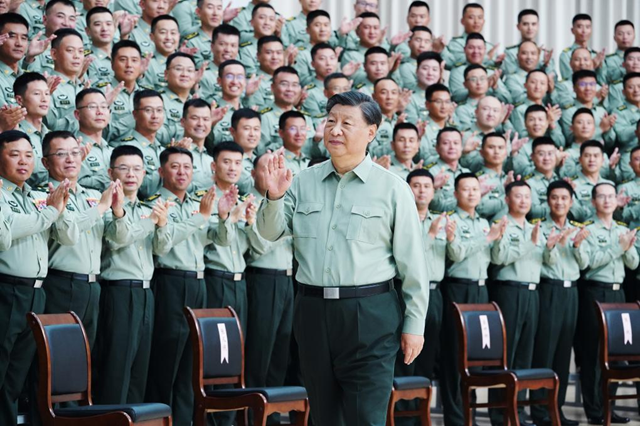
Meanwhile, China is making headlines with the construction of what some are calling a “military city” in Beijing. The vast new command center is reportedly ten times the size of the Pentagon, raising alarms among Western intelligence agencies. Some officials fear the facility may be designed with large-scale warfare in mind, potentially even nuclear conflict, reflecting the increasingly assertive stance of the People’s Liberation Army.
India, too, is moving to secure its interests in the Indo-Pacific. New Delhi has been developing strategic infrastructure on the Andaman and Nicobar Islands, including new ports and air bases. The move comes amid Indian concerns over China’s growing maritime activities, and is seen as part of a broader effort to project power in the region and safeguard key trade corridors.
Australia is also stepping up, committing $127 million over the next three years to upgrade the Henderson shipyard near Perth. The goal is to establish a dedicated maintenance hub for its future fleet of nuclear-powered submarines under the AUKUS security pact with the United States and the United Kingdom. The investment signals Canberra’s deepening integration with Western defense efforts in the Asia-Pacific.
Taken together, these military build-ups reveal a world preparing for an era of heightened strategic competition — and possibly confrontation. As these facilities come online, they may not just bolster national defense capabilities, but also redraw the map of global influence.