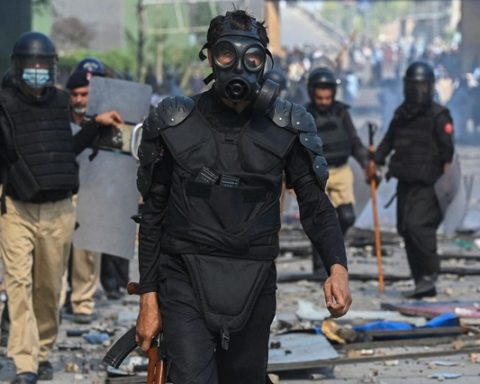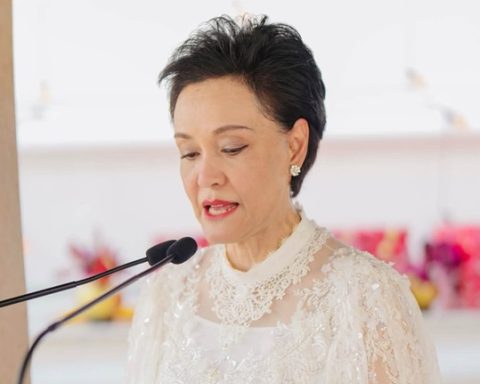

In March 2025, the BYC faced a severe crackdown from authorities, resulting in the arrests of key leaders, including Dr. Mahrang Baloch in Quetta and Sammi Deen Baloch in Karachi. After a few days, Sammi Deen was released, but Dr. Mahrang Baloch and many other BYC leaders remained behind bars. These arrests occurred during peaceful protests organised to demand justice for victims of state violence and to advocate for the rights of the Baloch people. The authorities cited security concerns as a reason for banning public gatherings, which has drawn widespread condemnation from human rights organisations and activists globally.
The arrests of BYC leaders have intensified calls for international attention to the situation in Balochistan, Pakistan, with organisations like Front Line Defenders urging their immediate release and an end to the repression of peaceful protests. The actions taken against BYC leaders are viewed as attempts to stifle dissent and silence voices advocating for human rights.
The BYC distinguishes itself from other movements, such as the Baloch Students Organisation (BSO-Azad), by maintaining a commitment to nonviolent activism. While some groups may adopt more militant stances, the BYC focuses on peaceful protests and dialogue to address systemic issues faced by the Baloch community. This approach aims to unite various political factions and foster a collective voice for change without resorting to violence, even though national parties like the Balochistan National Party (Mengal) have joined this movement.
The movement has gained traction among Baloch youth, particularly in response to restrictions placed on student organisations and local political parties. The political landscape in Balochistan has been characterised by suppression and marginalisation, leading young activists to seek alternative avenues for expressing their grievances and advocating for their rights.
The Baloch Yakjehti Committee (BYC) emerged as a necessary platform for advocacy in Balochistan due to a combination of political, social, and human rights challenges faced by the region. These include: In recent elections, allegations of widespread rigging and manipulation were raised, with claims that military-backed candidates were favoured. Many local leaders were marginalised or threatened, preventing them from effectively representing their constituencies. This suppression has left a vacuum in Balochistan’s political landscape, pushing youth and activists to seek alternative platforms like the BYC to voice their concerns.
Cases of enforced disappearances, extrajudicial killings, and custodial torture have been widely reported in Balochistan. Activists and families often blame security forces for these abuses, creating an environment of fear and mistrust. The BYC has become a critical voice advocating for accountability and justice for victims of such unlawful activities.
Student organisations, historically active in promoting awareness and activism in Balochistan, have faced bans and severe restrictions. This has left young people without traditional avenues to express their grievances, making movements like the BYC essential for mobilising youth and addressing societal issues.
Local political parties have been systematically weakened through intimidation, election interference, and restrictions on public gatherings. This has eroded trust in traditional political processes, leading to the rise of grassroots movements like the BYC to fill the void left by these suppressed entities.
The BYC has played a key role in organising peaceful protests against human rights violations. It provides a platform for addressing issues like enforced disappearances, extrajudicial killings, and economic exploitation while maintaining a commitment to nonviolent activism. The BYC represents a response to systemic challenges faced by the people of Balochistan. Its peaceful advocacy aims to address political disenfranchisement, human rights abuses, and the suppression of local voices while fostering unity among diverse groups within the region.
The emergence of the BYC is critical in a context where traditional political avenues have failed to address the needs and aspirations of the Baloch people. The organisation serves as a platform for raising awareness about human rights violations while promoting unity among diverse groups within Baloch society. Its peaceful nature has garnered international recognition, positioning it as a legitimate voice against oppression in a region fraught with conflict.
As the BYC continues its advocacy efforts amidst state repression, it remains essential for both local and international stakeholders to recognise its significance in promoting dialogue and addressing long-standing grievances in Balochistan. The future stability of the region may depend on constructive engagement with movements like the BYC that seek justice through peaceful means.
The BYC traces its roots to July 2018 when Dr. Mahrang Baloch conceptualised the movement after her brother’s abduction by Pakistani intelligence agencies. However, it officially emerged in May 2020 under the name Bramsh Yakjehti Committee, following the brutal killing of Malik Naz Baloch during a home invasion in Turbat. Her four-year-old daughter, Bramsh, was injured in the attack. This incident galvanised protests across Balochistan demanding justice for victims of violence and state-backed death squads.
The movement evolved into the Baloch Yakjehti Committee later in 2020, particularly after other high-profile incidents such as the assassination of activist Banuk Karima Baloch in Canada and the killing of Hayat Baloch by Frontier Corps soldiers. Recognising the need for broader advocacy against widespread human rights abuses, the BYC restructured itself to address systemic issues like enforced disappearances and extrajudicial killings.
2023 Long March: The BYC organised a historic 1,600-kilometre march from Turbat to Islamabad to protest enforced disappearances and extrajudicial killings. Nearly 400 participants, including women and children, braved harsh winter conditions to demand justice for victims like Balach Maula Bakhsh, a young man killed in alleged custody by Pakistan’s Counter-Terrorism Department. Despite harassment and arrests by authorities, the march drew significant attention to the plight of the Baloch people.
The BYC has hosted major gatherings in Gwadar and Dalbandin to unite activists and amplify demands for accountability regarding state abuses. These events have been recognised internationally for their peaceful nature.
Dr. Mahrang Baloch serves as the Central Organiser of BYC, with Lala Wahab Baloch as the Deputy Organiser. Under their leadership, BYC has adopted an interim constitution and manifesto to guide its mission against what it describes as the Baloch genocide. The organisation aims to bridge political parties and social forces within Baloch society while maintaining its commitment to nonviolent activism.
The BYC faces significant challenges from Pakistani authorities, who often accuse it of being linked to militancy or foreign-backed agendas. Leaders like Dr. Mahrang Baloch have been targeted through disinformation campaigns, arrests, and sedition charges. Despite these allegations, international organisations such as Amnesty International have recognised BYC’s peaceful efforts to advocate for human rights in Balochistan.
The BYC has become a prominent voice for marginalised communities in Balochistan. It calls for international intervention through mechanisms like United Nations fact-finding missions to investigate human rights violations by security forces. The movement continues to strive for justice while seeking unity among diverse political factions within the region.
Balochistan, Pakistan’s largest province, has been embroiled in conflict since its annexation in 1948. The region is rich in natural resources but remains impoverished, fuelling grievances among the Baloch people. The BYC’s formation was a direct response to these unaddressed grievances and the escalating crackdown by Pakistani authorities. The movement gained momentum after the assassination of prominent Baloch figures like Banuk Karima Baloch in Canada and Hayat Baloch in Balochistan.