


The latest campaign on Balochistan in Geneva shows how easily a complicated conflict can be reduced to a few emotionally powerful words. Occupation, repression and freedom carry immediate political weight. The Baloch
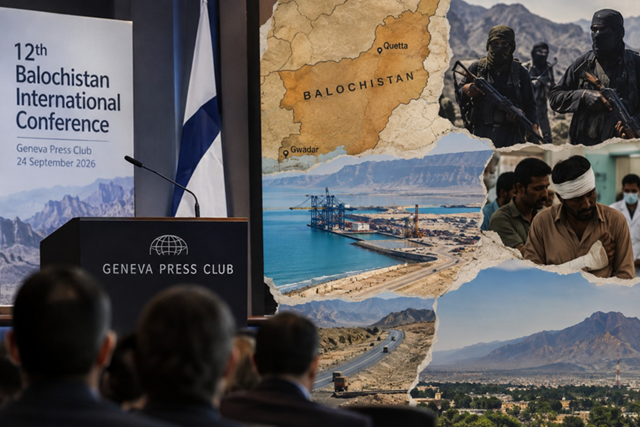
The latest campaign on Balochistan in Geneva shows how easily a complicated conflict can be reduced to a few emotionally powerful words. Occupation, repression and freedom carry immediate political weight. The Baloch
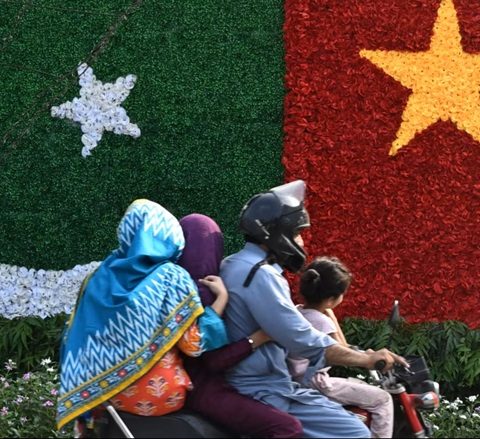
Balochistan’s vast mineral wealth has become a strategic prize in China’s quest to secure critical resources and sustain its industrial ambitions. But as Beijing deepens its engagement through mining ventures and the China–Pakistan Economic Corridor, persistent insurgency, political exclusion, and
The Baloch National Movement’s Geneva campaign has taken the demand for an independent Balochistan to an international audience, but its political significance should not
On 22 September 2026, the Balochistan Liberation Front (BLF) – a banned Baloch ethno-nationalist separatist group in Pakistan, waging an insurgency in Balochistan, allegedly
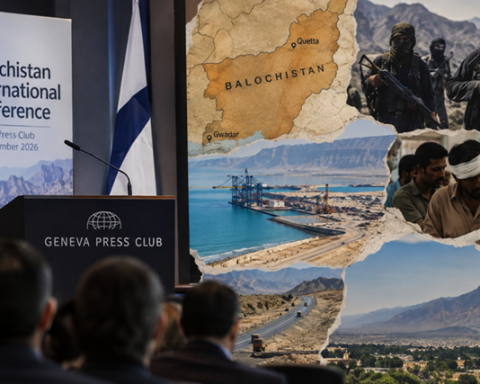
The latest campaign on Balochistan in Geneva shows how easily a complicated conflict can be reduced to a few emotionally powerful words. Occupation, repression and freedom carry immediate political weight. The Baloch
More
Balochistan’s vast mineral wealth has become a strategic prize in China’s quest to secure critical resources and sustain its industrial ambitions. But as Beijing deepens its engagement through mining ventures and the
More
The Baloch National Movement’s Geneva campaign has taken the demand for an independent Balochistan to an international audience, but its political significance should not be confused with institutional recognition or a mandate
More
On 22 September 2026, the Balochistan Liberation Front (BLF) – a banned Baloch ethno-nationalist separatist group in Pakistan, waging an insurgency in Balochistan, allegedly from bases in Afghanistan – claimed that its
More There is a particular cruelty in watching a militant group dress exploitation up as liberation. For two decades, the Baloch Liberation Army fought a low-intensity insurgency largely through men ambushes, attacks on
More
UN experts have expressed grave concern over the alleged enforced disappearance, torture and extrajudicial killing of Imran Ali in Balochistan, urging Pakistan to conduct a prompt, thorough, independent and impartial investigation into
More
Assessing Balochistan almost entirely through security incidents tends to warp the real picture. It can make it feel like one of Pakistan’s most important provinces is only about danger and reaction, when
More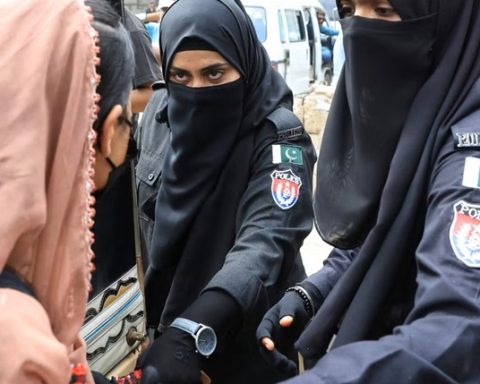
By the time security forces secure the site of an attack in Balochistan, another battle is often already underway. Within minutes, videos appear on social media, statements circulate across encrypted messaging platforms,
More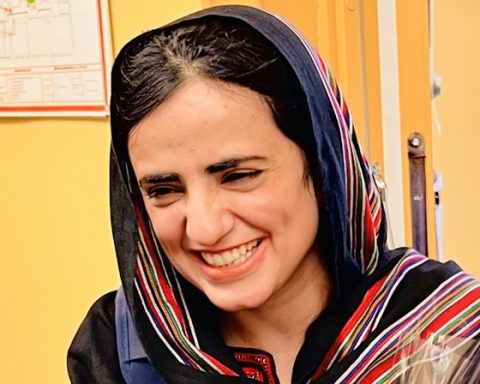
United Nations human rights experts have expressed grave concern over the sentencing of prominent Baloch human rights defender Dr. Mahrang Baloch to two terms of life imprisonment by an Anti-Terrorism Court in
More
When political slogans are repeated loudly enough and frequently enough, they can begin to sound like established historical truth. This is precisely what has happened with the narrative surrounding Balochistan, Pakistan’s largest
More
On June 22, 2026, an Anti-Terrorism Court (ATC) in Quetta, the provincial capital of Balochistan, sentenced Dr. Mahrang Baloch, founder and leader of the Baloch Yakjehti Committee (BYC), and her associate, Sibghatullah,
More For decades, Balochistan’s separatist insurgency remained overwhelmingly male. Armed groups operated through tribal networks, clandestine cells and remote mountain sanctuaries, while women largely remained outside direct militant activity. Even within nationalist politics, female
More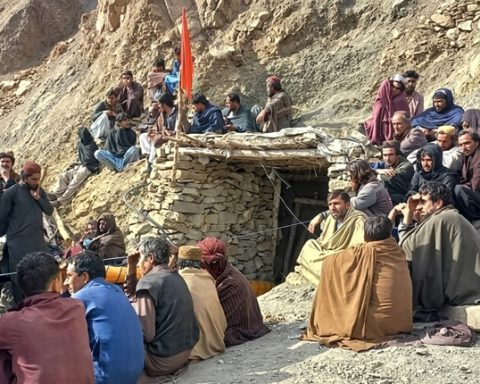
On the evening of April 22, at least 10 people, including a Turkish national, were killed while several others sustained injuries in an attack at a copper and gold project site in
More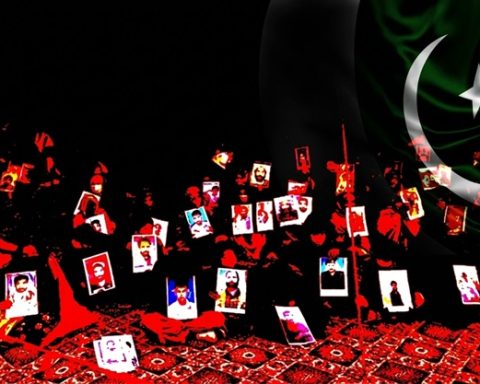
In Balochistan, disappearance has become more than an allegation. It has become a method of rule, a language of fear, and, for many families, the most intimate face of the Pakistani state.
More In an age that rewards moral certainty and viral storytelling, conflicts like Balochistan’s are increasingly flattened into stark binaries: oppressor and oppressed, state and victim, resistance and repression. These narratives travel fast,
More